From December 13 to 14, 2025, the School of Statistics and Data Science at Shanghai University of Finance and Economics successfully hosted the "2025 FAIC Artificial Intelligence Foundation Conference." This conference was jointly organized by the School of Statistics and Data Science at Shanghai University of Finance and Economics, the Big Data Research Institute of Shanghai University of Finance and Economics, and Statistics China. The conference gathered nearly one hundred experts, scholars, and doctoral students from top universities at home and abroad, including Tsinghua University, Peking University, Shanghai Jiao Tong University, Fudan University, Renmin University of China, the University of Hong Kong, the Chinese University of Hong Kong (Shenzhen), and Xi'an Jiaotong University, as well as industry experts from ByteDance, Mingchao Investment, Shuqihuan Yu, among others, to jointly focus on cutting-edge progress in key areas such as large models, artificial intelligence theory, and reinforcement learning, and to deeply discuss the boundaries and future of technology.
The organization and preparation work for the conference is jointly completed by Teng Jiaye from Shanghai University of Finance and Economics, Lv Kaifeng from Tsinghua University, Ma Ziye from City University of Hong Kong, and Wei Taiyun from the City of Statistics. The FAIC Artificial Intelligence Fundamentals Conference is derived from the online seminar on Artificial Intelligence Fundamentals (FAI-Seminar). Previously, the FAI-Seminar has been successfully held for three years, conducting over 70 online academic lectures, with more than 350,000 viewers. This year, the conference has transitioned from online to offline, aiming to further enhance mutual communication among young scholars. The meeting not only focuses on current practical applications but also cares about the future development of the discipline; it discusses not only specific engineering implementations but also questions the underlying theoretical foundations.
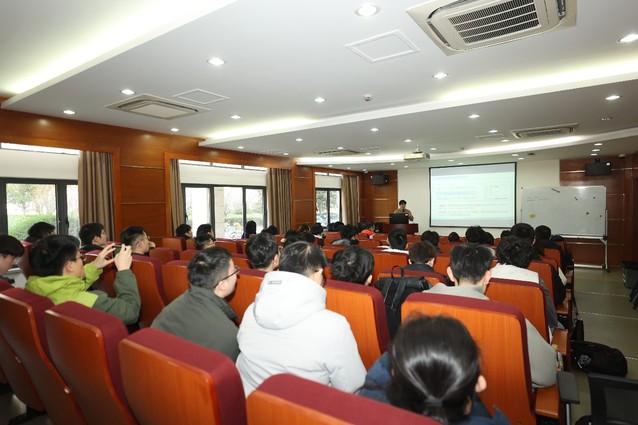
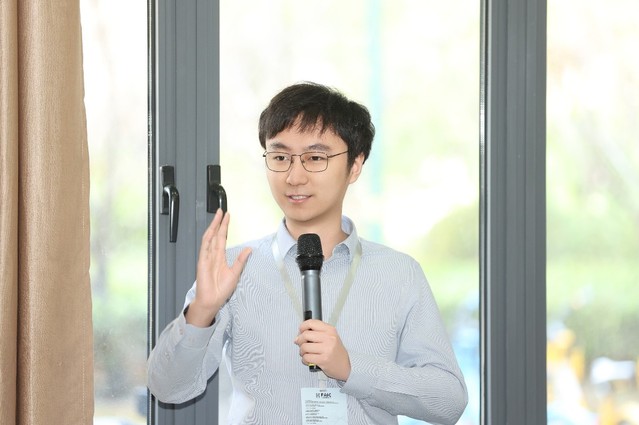
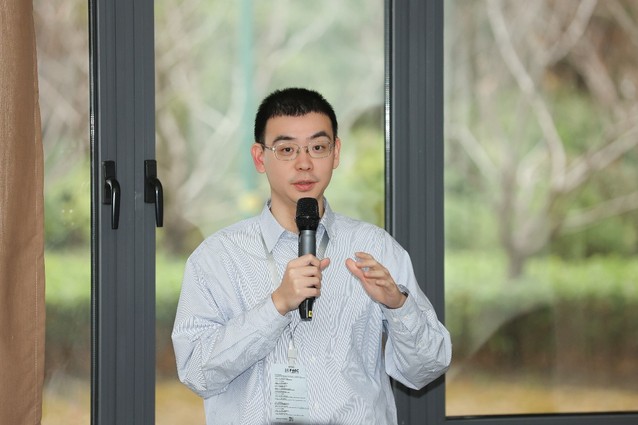
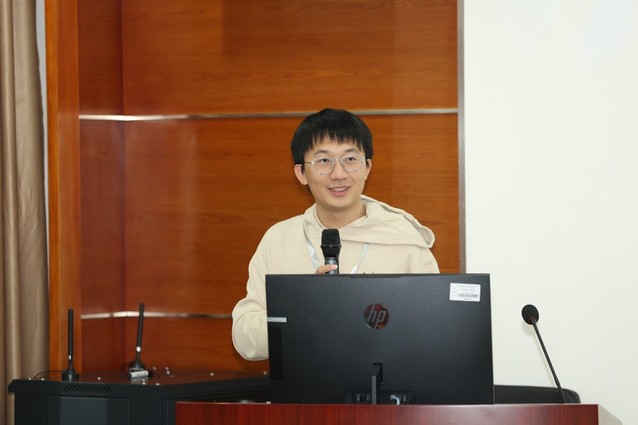
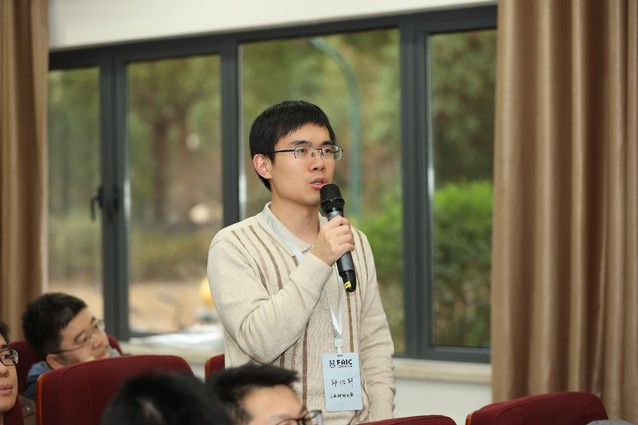
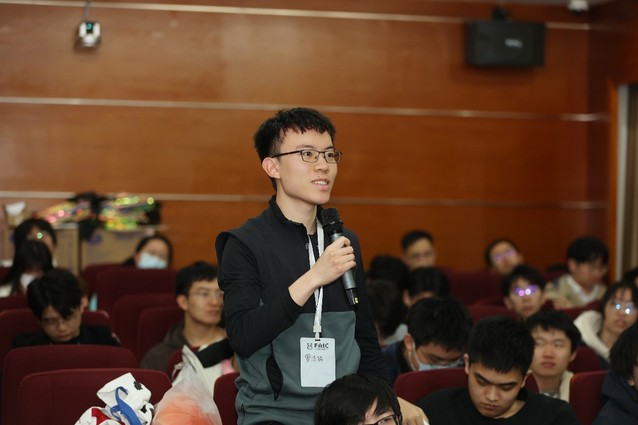
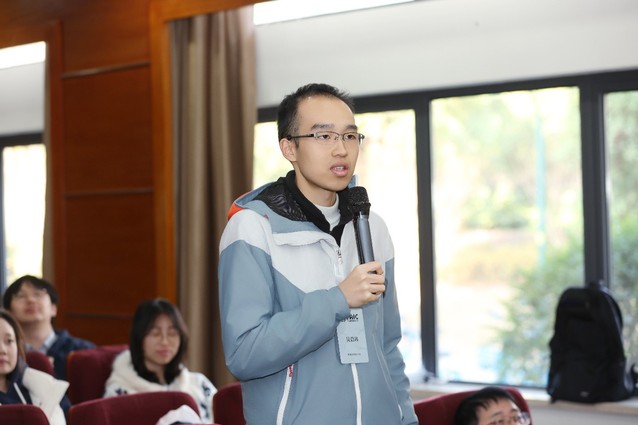
On the morning of December 13, in the report, Professor Li Jian from Tsinghua University first presented a report titled "Understanding LLM Behaviors via Compression: Data Generation, Knowledge Acquisition and Scaling Laws," where he deeply analyzed the Scaling Laws and illusion phenomena of large models, starting from the classic relationship between compression and prediction. Following that, Professor Liu Yong from Renmin University of China delivered a speech titled "Transformer and Architecture Design: Observing from the Energy Perspective," constructing a new framework from the perspective of statistical physics energy, proposing that the essence of the self-attention mechanism is the process of minimizing Helmholtz free energy. Professor Li Shuai from Shanghai Jiao Tong University focused on analyzing how to improve model efficiency from the sampling process and training dynamics in his report titled "Diffusion Model Sampling Process and Training Dynamics Analysis." Tsinghua University student Chen Lesai then shared the latest research on "Higher-order Acceleration of Min-Max Optimization Problems," introducing higher-order algorithms that break the lower bound of algorithm convergence rates.
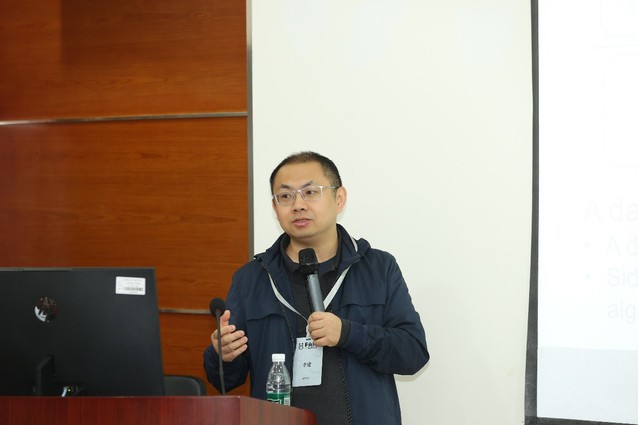
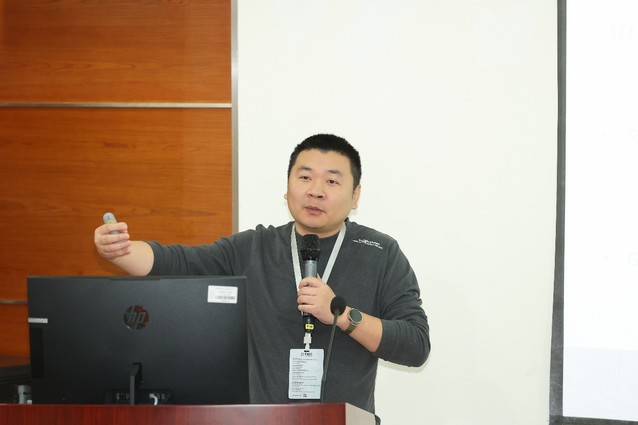
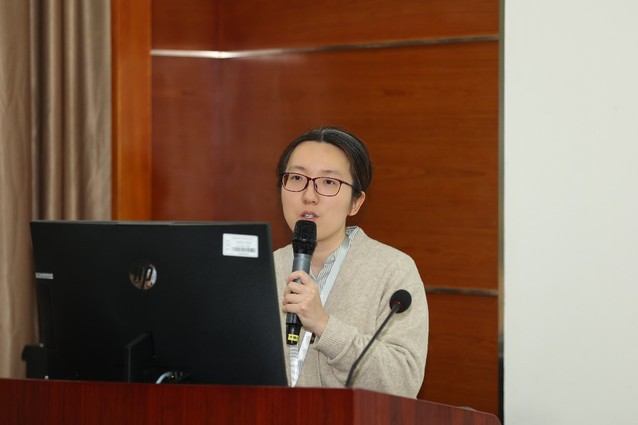
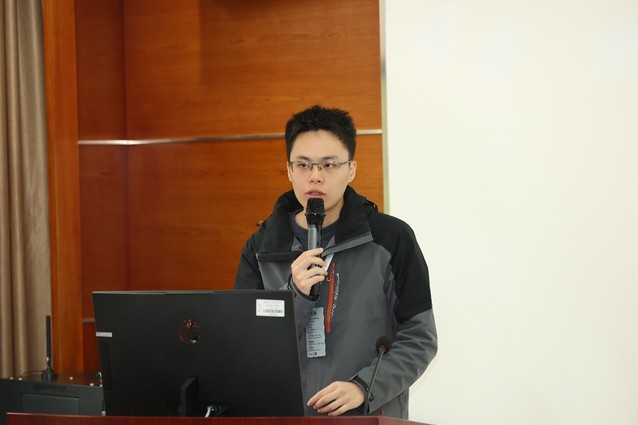
On the afternoon of December 13, at the meeting, Professor Sun Ruoyu from The Chinese University of Hong Kong (Shenzhen) first reported on "The Characteristics of the Hessian Matrix in Neural Networks and Its Implications for Large Model Algorithm Design," introducing a more efficient Adam-mini optimizer based on the analysis of the Hessian matrix. Professor Yuan Yang from Tsinghua University brought a talk titled "A Large-scale Software Assisted Generation Framework Based on Topos Theory," demonstrating how to utilize topos theory for the parallel generation and fine-grained control of large-scale software systems. Professor Zou Difang from The University of Hong Kong revealed in the report "On the Mechanism Interpretability of LLM for Fine-tuning and Reasoning" the distinctly different mechanisms of reinforcement learning and fine-tuning in the inference of large models. Following this, student Zhong Han from Peking University delivered a speech titled "Principled Reinforcement Learning and its Role in Large Language Models," introducing the key role of the generalized Eluder coefficient in characterizing the statistical complexity of decision-making problems.
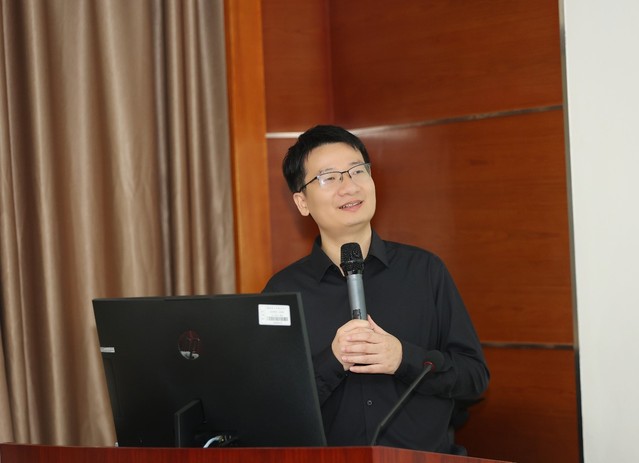
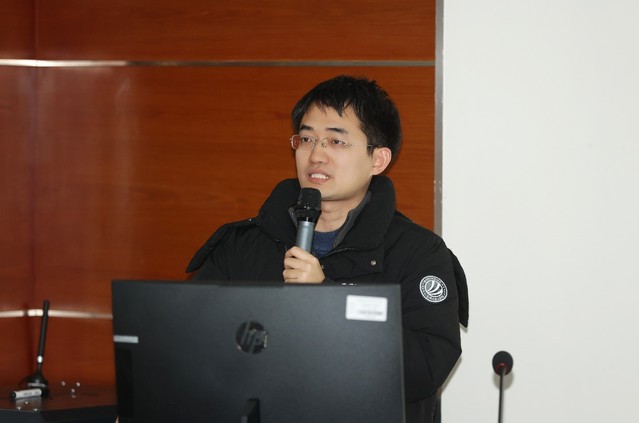
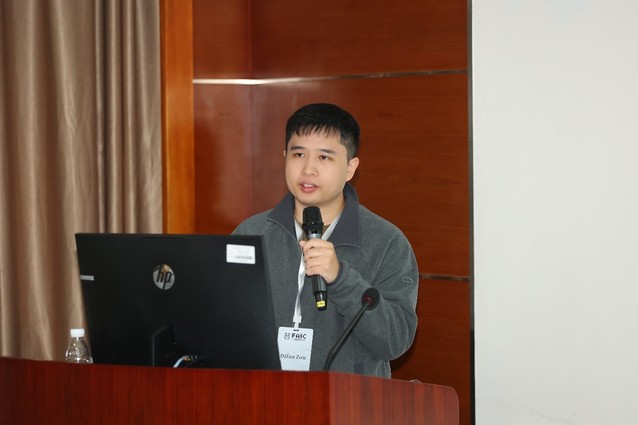
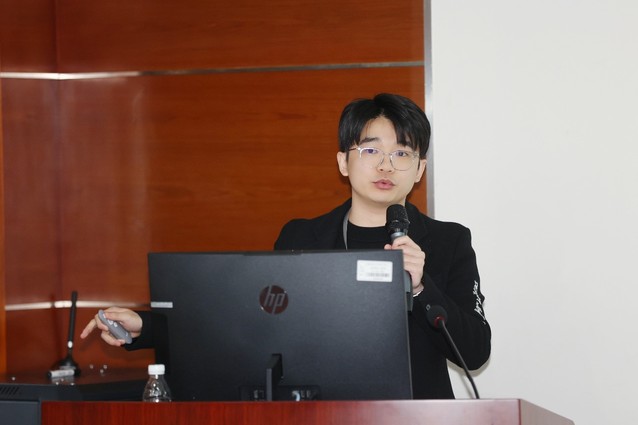
On the morning of December 14th, during the meeting, Professor Chang Xiangyu from Xi'an Jiaotong University first shared his work titled "Data Element Valuation Method Based on Large-Scale Cooperative Game," discussing how to use cooperative game theory to solve the fair distribution problem of data elements in the MaaS scenario. Professor Zhang Huishuang from Peking University introduced his research titled "AdamS: Momentum Itself Can Be A Normalizer for LLM Pretraining and Post-training," proposing an efficient optimizer AdamS that does not require second-order moment estimation. Professor Zhang Linfeng from Shanghai Jiao Tong University detailed the caching strategy, decoding strategy, and variable-length generation method of diffusion large language models in his presentation "Inference Acceleration Based on Diffusion Large Language Models." Finally, Dr. Chen Huanran from Tsinghua University reported on "Unveiling the Basin-Like Loss Landscape in Large Language Models," providing an in-depth analysis of the formation of "basin" structures in the loss landscape of large models and their implications for model capabilities.
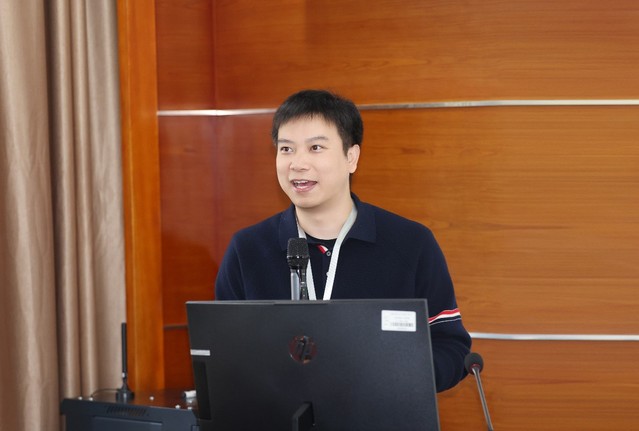
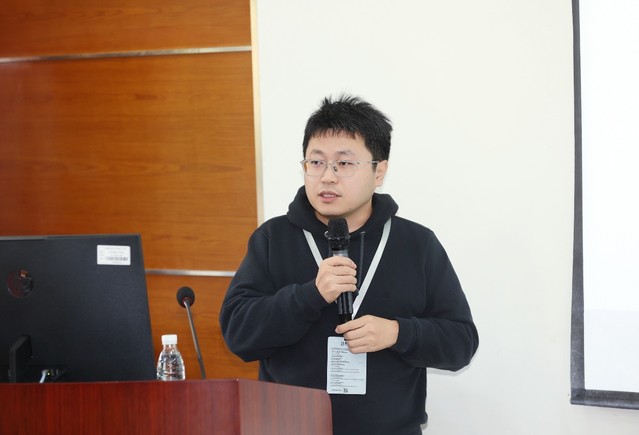
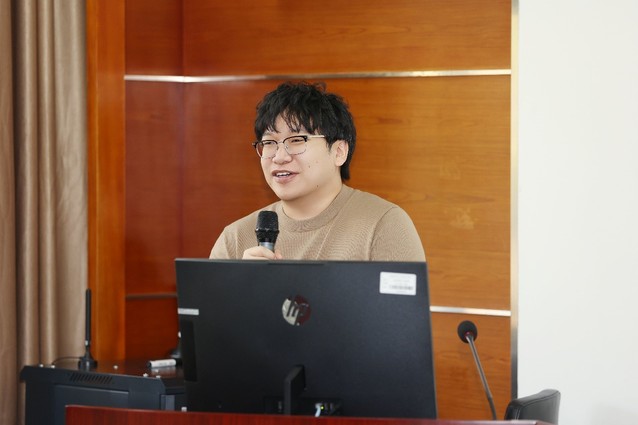
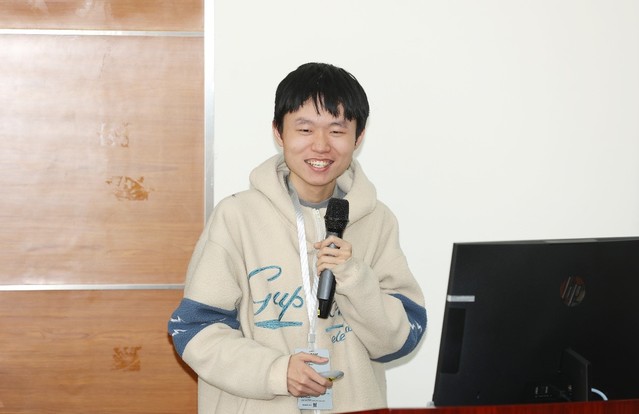
This conference fully reflects the multidisciplinary characteristics of basic research in artificial intelligence, providing valuable learning and communication opportunities for young scholars and doctoral students both domestically and internationally. The academic atmosphere at the venue was intense, with in-depth discussions following each presentation. The organizers hope that this seminar will establish a higher-level academic exchange platform to gather young talent, promote the collision of ideas, and jointly explore new directions and opportunities for the development of artificial intelligence.
Organizers: Shanghai University of Finance and Economics, School of Statistics and Data Science, Shanghai University of Finance and Economics Big Data Research Institute, City of Statistics, Basic Research on Artificial Intelligence
Sponsoring Partners: ByteDance Seed Team, Mingchong Investment, Shanghai Shuqihuan Yu Artificial Intelligence Technology Co., Ltd.
Graphic Text | FAIC Conference Organizing Committee