The "Challenge Cup" National College Student Extracurricular Academic Science and Technology Works Competition is an activity hosted by the Central Committee of the Communist Youth League, the China Association for Science and Technology, the Ministry of Education, the Chinese Academy of Social Sciences, the National Federation of Students, and provincial people's governments. It is recognized as the "Olympic" event of contemporary Chinese college students' technological innovation, and is currently the most attention and popular national competition among college students in China. It is also the most representative, authoritative, demonstrative, and guiding college student science and innovation competition in the country. Since March this year, with the meticulous organization of the school's Youth League Committee and the diligent mobilization of teachers in various departments, our college students have actively signed up to participate in the 17th "Challenge Cup" College Student Extracurricular Academic Science and Technology Works Competition. The list of finalists for the school-level competition has recently been announced, and our college has a total of 5 teams selected. Let's take a look at who they are!
1. "The elderly have support, and the drifting have joy" — A research study on the quality of life of the elderly immigrant population in Shanghai based on local data and policy recommendations.
(Advisor: Li Tao)
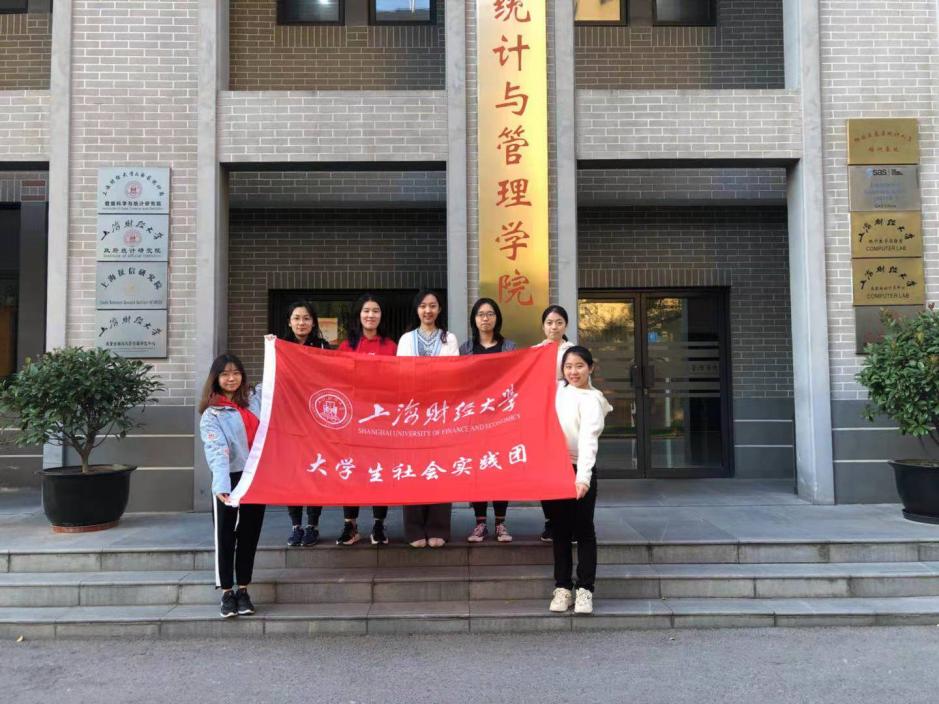
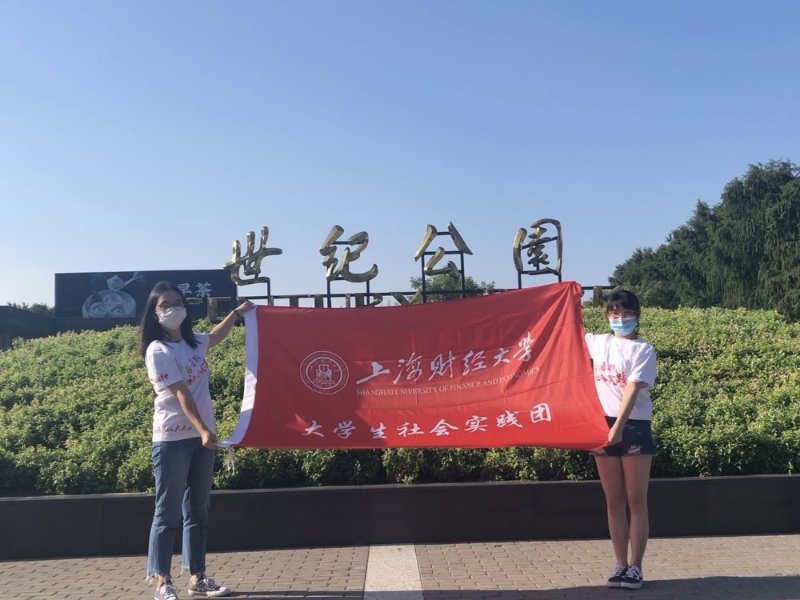
“‘Elderly with Support, Drifters with Joy’ — A Study on the Quality of Life of Elderly Drifters in Shanghai and Related Strategies” is a practical project focused on the “elderly drifter” population in Shanghai. Its aim is to enhance the quality of life for elderly drifters in a targeted manner and to provide valuable reference suggestions for building a more comprehensive public service system and community cultural care. The project team established a quality of life evaluation index system and employed research methods such as online questionnaires, in-depth interviews, and community interviews to gather data on the quality of life indicators for elderly drifters in Shanghai and their original residence, calculating quality of life scores. A paired t-test was then conducted to compare and analyze the quality of life between the two locations for elderly drifters, as well as to establish a stepwise regression model to identify significant factors affecting their quality of life. Based on these findings, targeted suggestions for improving the quality of life of elderly drifters were put forward to three providers of services: government, society, and community. This project won the first prize in the Shanghai “Knowledge and Action Cup” Social Practice Competition in 2020.
2. Analysis and Assessment of the 15-Minute Community Medical Circle Construction in Shanghai and Optimization Suggestions
(Guidance Teacher: Liu Xu)
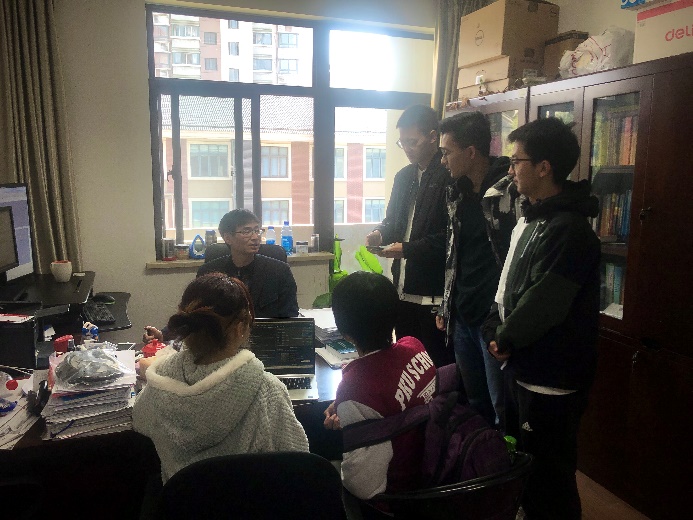
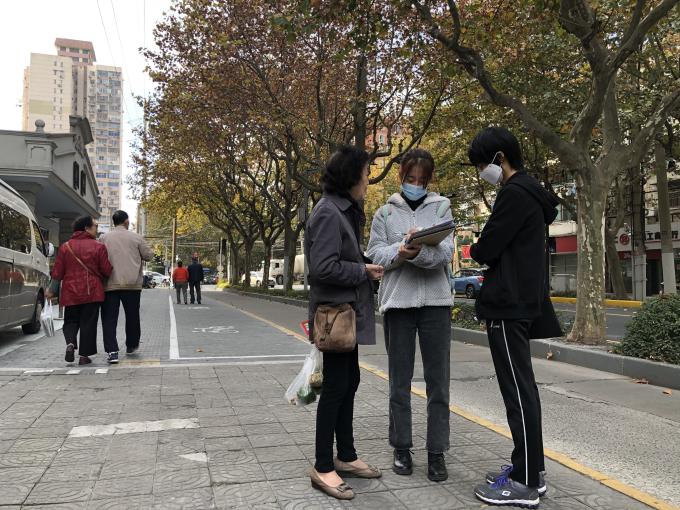
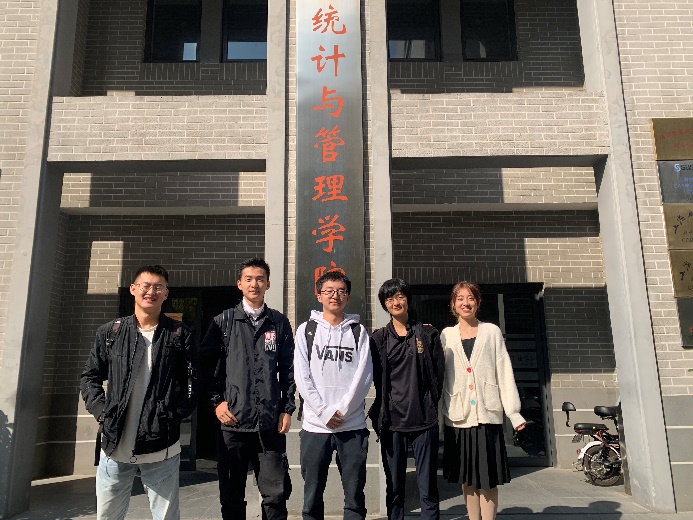
The report "Analysis and Evaluation of the Construction of the 15-Minute Community Medical Circle in Shanghai and Optimization Suggestions" aims to analyze and optimize the construction of the 15-Minute Community Medical Circle in Shanghai. By utilizing Baidu API crawler technology, relevant information on street points and community medical facility points in Shanghai was obtained. Based on the 2SFCA algorithm, an accessibility analysis of the current community medical construction in Shanghai was conducted, focusing on specific practice locations such as Xinjiangwancheng Street. Combining algorithm results and practical investigations, the analysis and evaluation of the current construction of the 15-Minute Medical Circle in Shanghai's communities were carried out. Finally, building on existing resources, further theoretical construction was performed using location allocation models in ArcGIS software, including the minimization of impedance model and maximization of coverage model, to provide optimization suggestions for the further development of the medical circle in Shanghai.
3. The Implementation, Effectiveness, and Reflection on Shanghai's Support Policies for Enterprises Amidst the Impact of the Pandemic
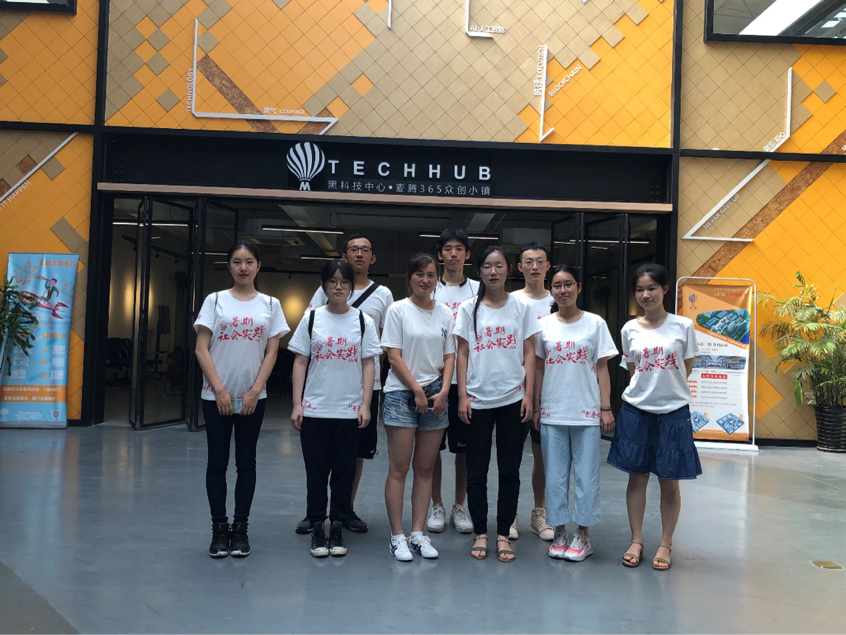
(Advisor: Wu Chunjie)
As a model and leader in national economic development, Shanghai plays a significant role in demonstrating effective policies. Therefore, this research report focuses on the implementation of policies in Shanghai and its various districts, reflecting the importance of such an investigation. Since the reform and opening-up, Pudong New District has served as a window for both Shanghai and China's economy and is a leader among the rapidly developing districts of Shanghai. Now celebrating 30 years of development and openness, Pudong has demonstrated a thriving industrial situation. The supportive policies it proposed during the pandemic are also quite representative and influential. Hence, our group has chosen Pudong New District as a key area of focus to draw broader conclusions from detailed observations.
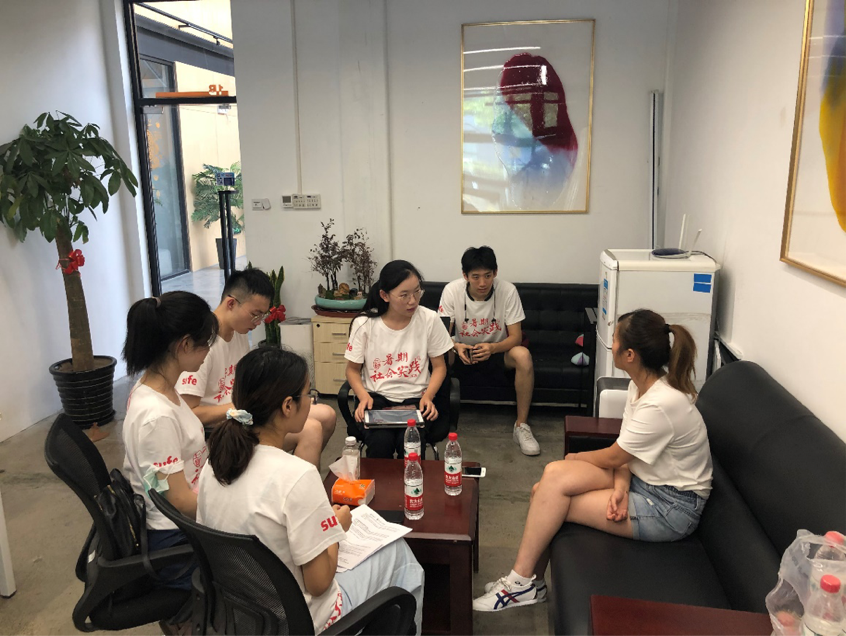
This project conducts interviews, surveys, and research in various districts of Shanghai by horizontally comparing the similarities, differences, and personalized characteristics of assistance policies. Group members visit some enterprises in person and collaborate with the Pudong Investigation Team of the National Bureau of Statistics to obtain support from government departments. They conduct questionnaire surveys on enterprises in various districts of Shanghai to analyze the effectiveness and shortcomings of the assistance policies during the pandemic from different aspects, as well as to assess enterprises' satisfaction levels and opinions regarding these policies. Finally, by integrating policy implementation with enterprise needs, the project proposes meaningful and innovative recommendations to promote the effective implementation and improvement of assistance policies.
4. Medical Institution Recommendation System Based on the Tiered Diagnosis and Treatment System
(Advisor: Liu Xu)
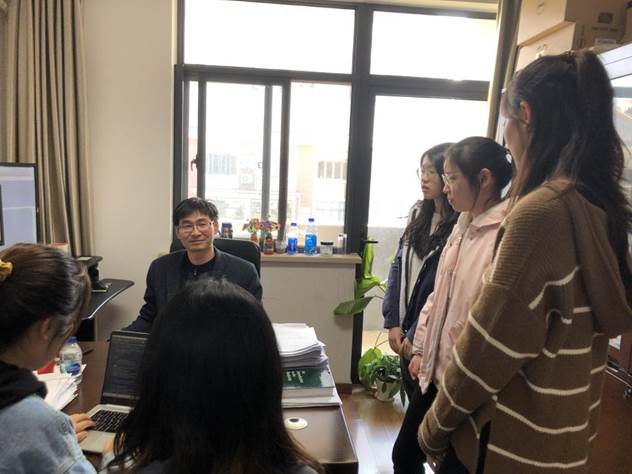

"Medical Institution Recommendation System Based on the Hierarchical Medical System" addresses the prevalent issues in healthcare today, such as "difficulty in seeking medical care," the scarcity and waste of medical resources, and combines it with the current focus of medical reform—the hierarchical medical system—by introducing "Internet + Hierarchical Diagnosis and Treatment." It attempts to establish an integrated hierarchical diagnosis and treatment system of "level recommendation — personalized choice of doctor — information inquiry — feedback evaluation." Based on the patient's own description of their condition, it utilizes machine learning methods such as Random Forest and XGBoost for high-precision text classification to derive a severity level of the illness. This level is then used to recommend appropriate medical institutions to the patient and customize a personalized treatment plan. This paper introduces the basic framework of "Internet + Hierarchical Diagnosis and Treatment," hoping to promote the concept of hierarchical diagnosis and treatment among the public through a high-quality user experience and create new development opportunities.
5. Evaluation of Application and Market Optimization of Unmanned Delivery in Urban Logistics Field
(Advisor: Bian Shibo)
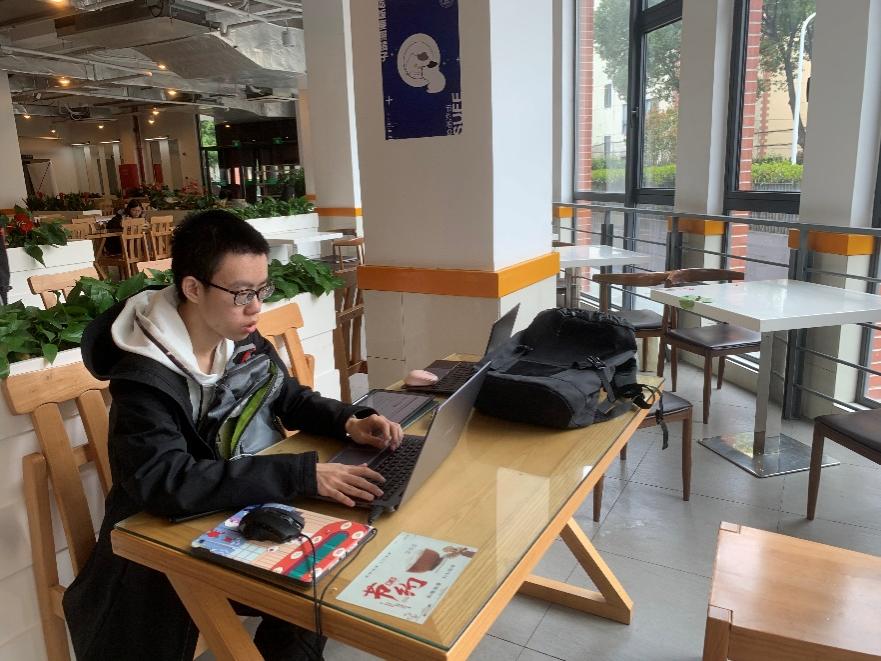
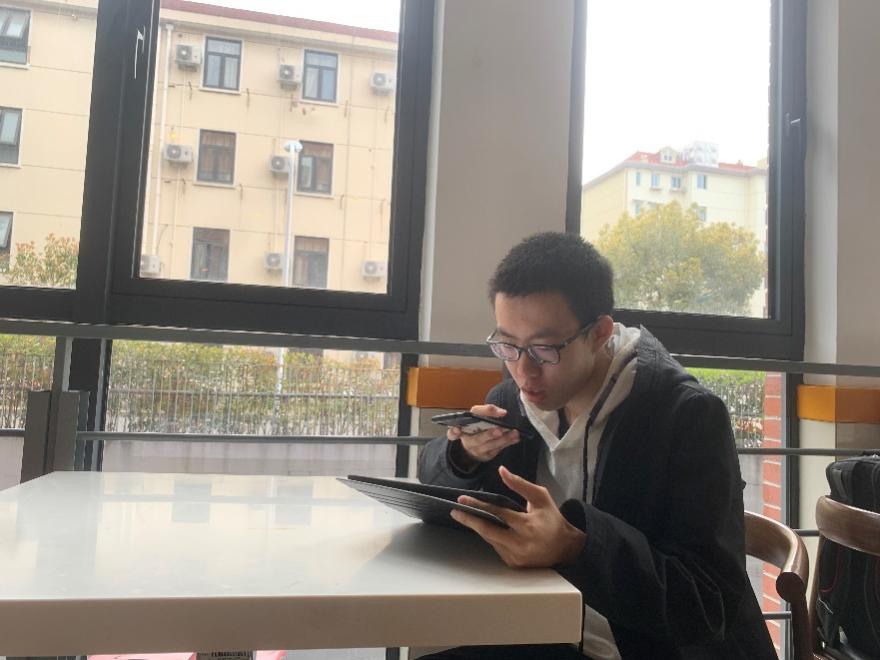
This project starts from the current development status and prospects of unmanned delivery in the Chinese market, as well as the issues faced by urban logistics such as express delivery and takeaway. It approaches from aspects like cost, technology, and consumer demand. By researching the development demands and status of unmanned delivery in the Chinese market, it aims to study the investment market, industrial distribution, and development prospects of unmanned delivery. Through methods like telephone interviews and field research, it investigates unmanned delivery pilot merchants in the Xiong'an New Area, and utilizes web scraping to collect data, subsequently analyzing the current logistics market data. By studying the expansion applications of unmanned delivery in different living scenarios and special situations, it establishes corresponding mathematical evaluation models, identifies potential markets for unmanned delivery, and designs market optimization plans for unmanned delivery, thereby imparting new significance to the market expansion of unmanned delivery and the transformation and upgrading of traditional manual delivery models.
In recent years, the college has focused on the needs for statistical talents and social talents in the data era, relying on the Shanghai Superior Undergraduate Construction Leading Plan project and the Statistical Education and Teaching Reform project. It strives to create a unique "cross-platform of statistics and management" and is committed to cultivating top-level statistical talents. The college encourages students to actively participate in practical projects, utilizing their expertise in statistics, finance, and management to construct statistical modeling methods to solve real-world problems, thereby enhancing students' ability to apply their knowledge. At the same time, the college actively develops external resources by integrating the advantages and resources of disciplines through industry-academia interaction and collaboration with other institutions, effectively expanding students' research resources and improving their research capabilities.
The above five shortlisted projects fully utilize the professional foundation of statistics, aiming to analyze and solve real social issues, showcasing the strong sense of social responsibility and solid academic innovation abilities of the students from the School of Statistics and Management. At the same time, it also reflects the demand of the times for statistical talents and social talents. Finally, we hope that the five teams can achieve excellent results in the school-level final.