On November 7, 2026, the Symposium on Interdisciplinary Research at the Intersection of Artificial Intelligence and Statistics was held in the lecture hall of the School of Statistics and Data Science at Shanghai University of Finance and Economics. Co-hosted by the Institute of Big Data Research and the School of Statistics and Data Science at Shanghai University of Finance and Economics, the symposium invited experts and scholars from Zhejiang University, the London School of Economics and Political Science, Beijing Normal University, Renmin University of China, East China Normal University, Central China Normal University, The Hong Kong Polytechnic University, Xiamen University, and other institutions. Participants engaged in academic exchanges on cutting-edge topics such as tabular foundation models, statistical inference, causal inference, and deep learning, and discussed new methods and advances in interdisciplinary research at the intersection of artificial intelligence and statistics.
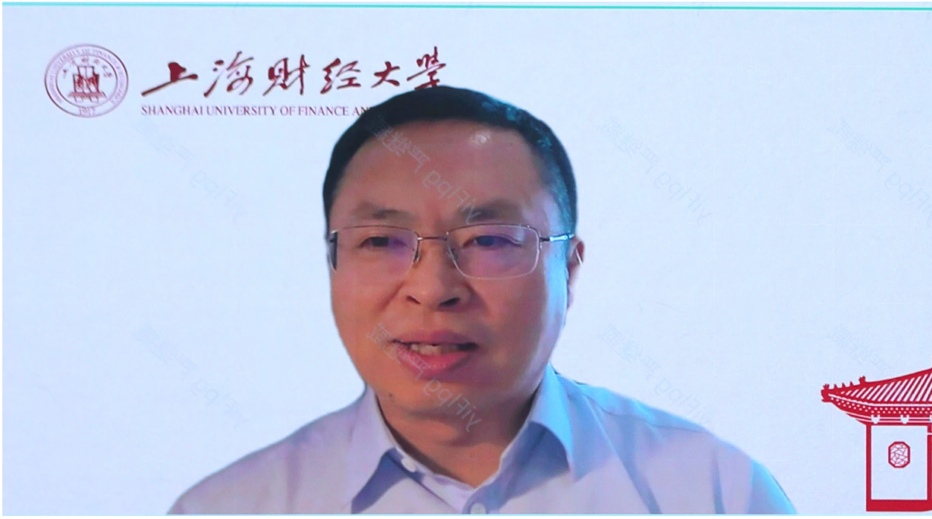
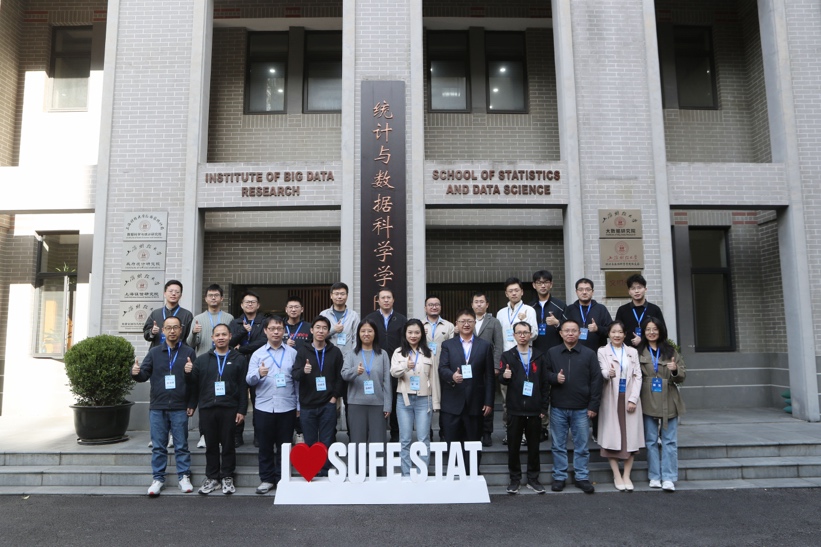
The opening ceremony was chaired by Zhou Fan of Shanghai University of Finance and Economics, and Professor Feng Xingdong, Dean of the School of Statistics and Data Science, delivered remarks. After the opening ceremony, participants took a group photo.
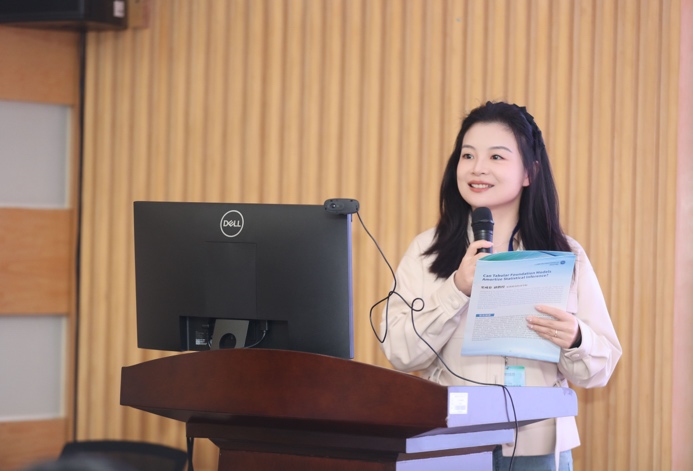
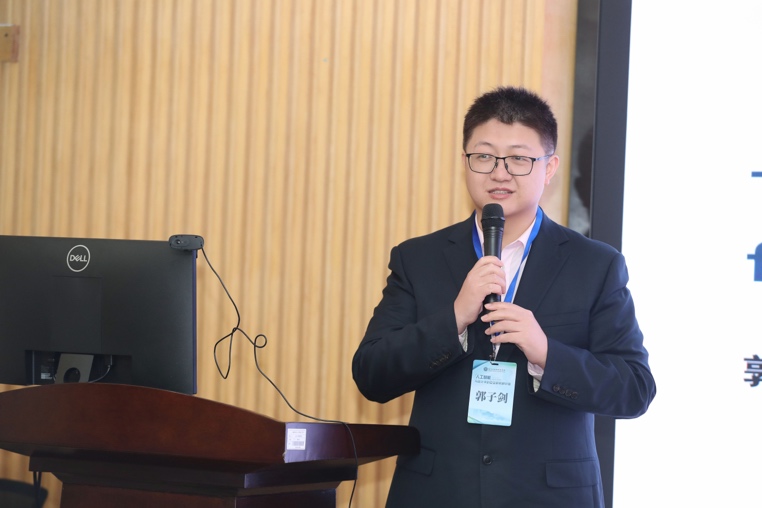
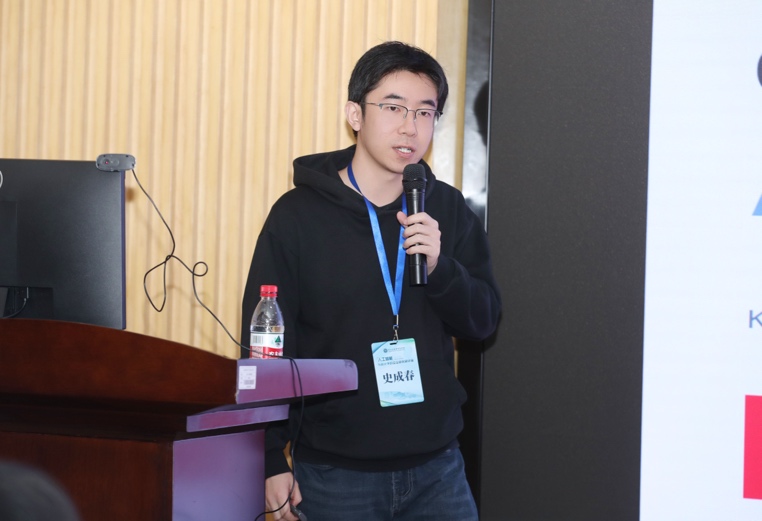
The morning academic sessions were chaired by Xia Yin of Fudan University and Han Dongxiao of Nankai University. Professor Guo Zijian of Zhejiang University delivered a talk titled “TabCUQ: Context-Uncertainty Quantification for Tabular Foundation Models,” focusing on uncertainty quantification for tabular foundation models under limited labeled samples. He introduced a perturbation-based inference framework that simultaneously accounts for limited context bias and context variation, providing methodological support for the reliable use of model estimates. Associate Professor Shi Chengchun of the London School of Economics and Political Science delivered a talk titled “Can Tabular Foundation Models Amortize Statistical Inference?” in which he introduced TabCon, a statistical inference system based on tabular foundation models. Through a sparse mixture-of-experts architecture and reinforcement learning post-training, TabCon enables efficient confidence interval construction for new datasets.
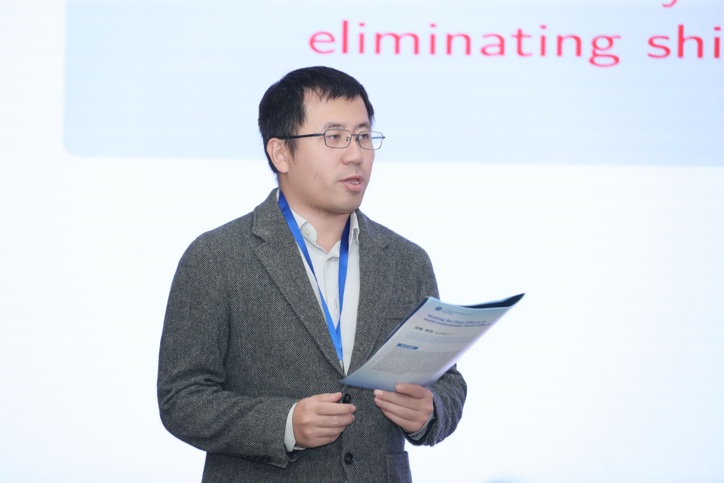
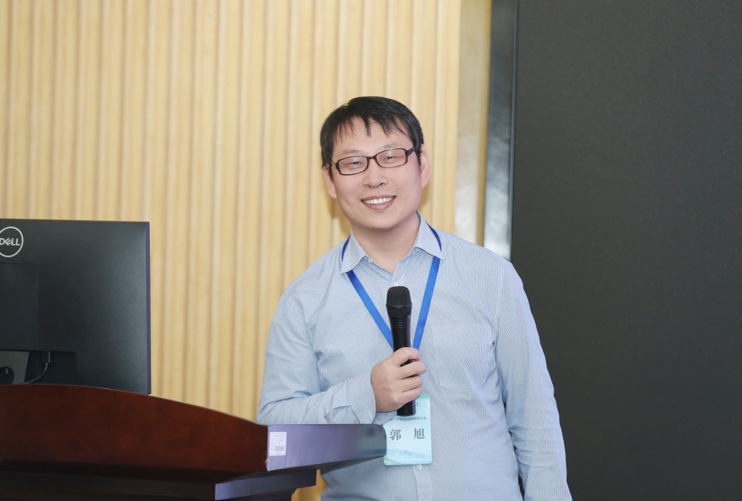
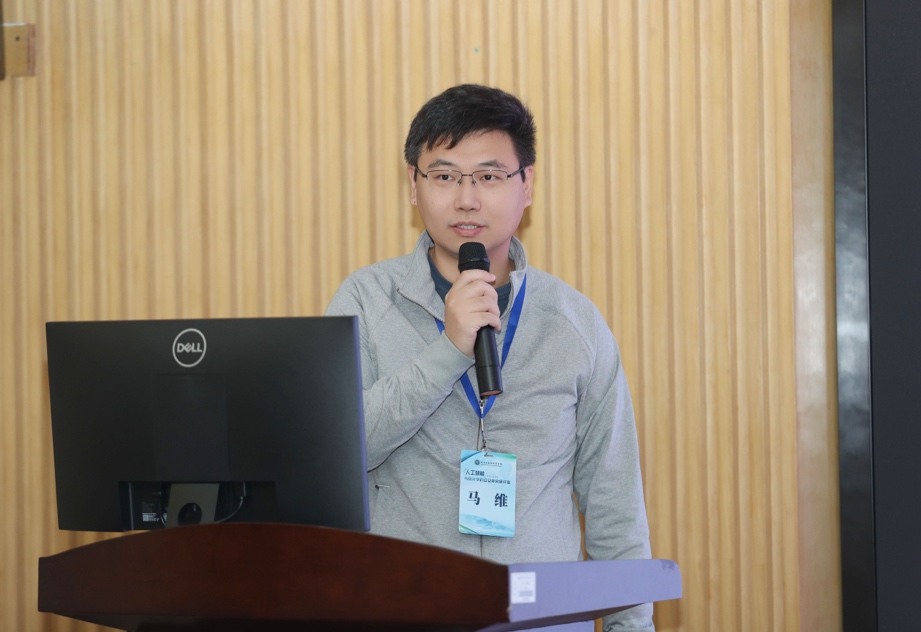
Professor Guo Xu of Beijing Normal University delivered a talk titled “Testing for Peer Effects in Heteroskedastic Fixed-Effects Panels,” focusing on peer effect testing when the interaction network is unknown. He introduced a statistical test method applicable to heteroskedastic fixed-effects panel models. Associate Professor Ma Wei of Renmin University of China delivered a talk titled “Beyond Biased Coin Minimization: Eliminating Shift in Covariate-Adaptive Randomization for Unequal Allocation.” Addressing the shift problem in covariate-adaptive randomization under unequal allocation, he introduced a new method that improves covariate balance by directly designing the allocation function, offering new ideas for randomized trial design.
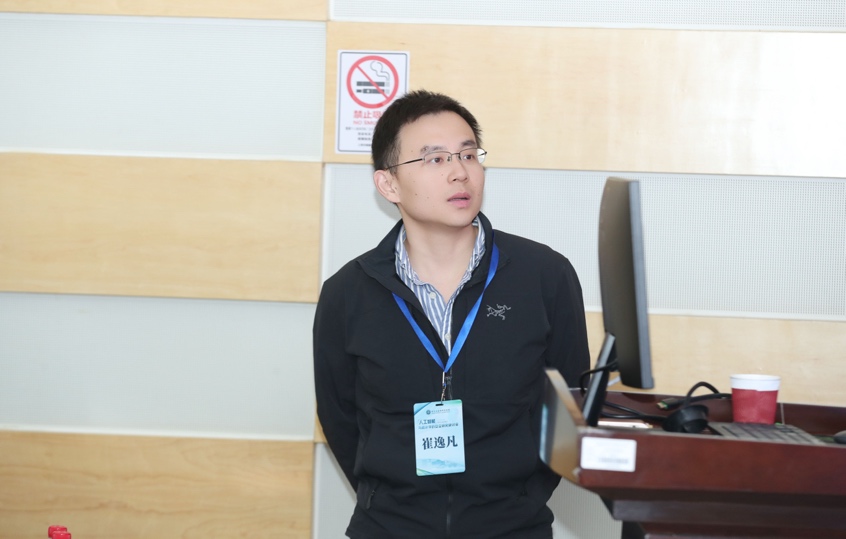
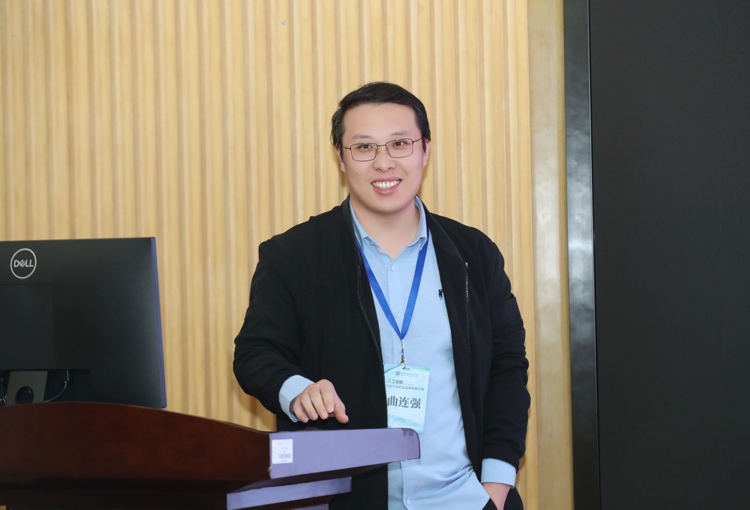
The afternoon academic sessions were chaired by Cui Yifan of Zhejiang University and Pan Wenliang of the Chinese Academy of Sciences. Professor Tang Yanlin of East China Normal University delivered a talk titled “Causal Inference for Heterogeneous Extreme Quantiles with Heavy-Tailed Outcomes,” combining inverse probability weighted quantile regression with extreme value theory to introduce an estimation framework for conditional extreme quantile treatment effects under heavy-tailed outcomes. He illustrated the application with an example of the effect of education on extremely high wage levels. Associate Professor Qu Lianqiang of Central China Normal University delivered a talk titled “Inference for Mark-Specific Causal Effects,” focusing on mark-specific causal effects in the presence of censored data and introducing methods for their identification, estimation, and testing. He also illustrated the application of these methods using data from an antibody-mediated prevention trial.
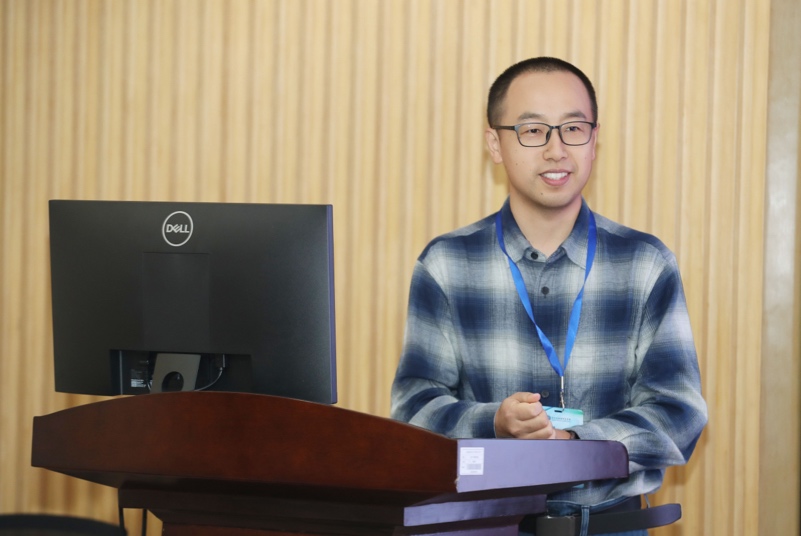
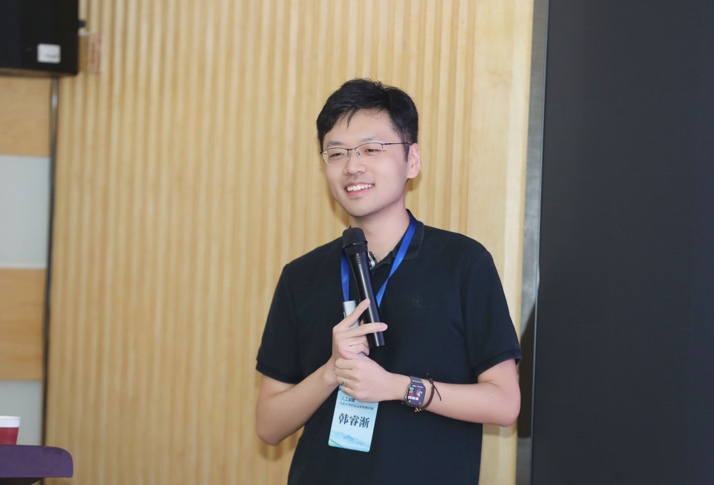
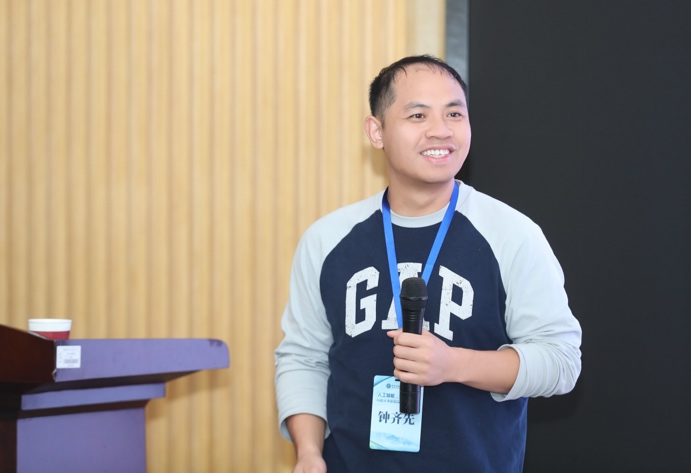
Assistant Professor Han Ruizhe of The Hong Kong Polytechnic University gave a talk titled “Deep Ranking with Heterogeneous Effects,” introducing a semiparametric ranking framework that distinguishes between subjects’ intrinsic scores and contextual effects. The framework uses neural networks to capture nonlinear covariate effects, and its effectiveness was validated through theoretical analysis and an application to tennis data. Associate Professor Zhong Qixian of Xiamen University delivered a talk titled “Variable Significance Testing for Heterogeneous Treatment Effects,” introducing methods for variable significance testing in the context of heterogeneous treatment effects. By constructing test statistics using R-learner residual scores and data-adaptive direction functions, the work provides statistical tools for identifying key variables that influence the heterogeneity of treatment effects.
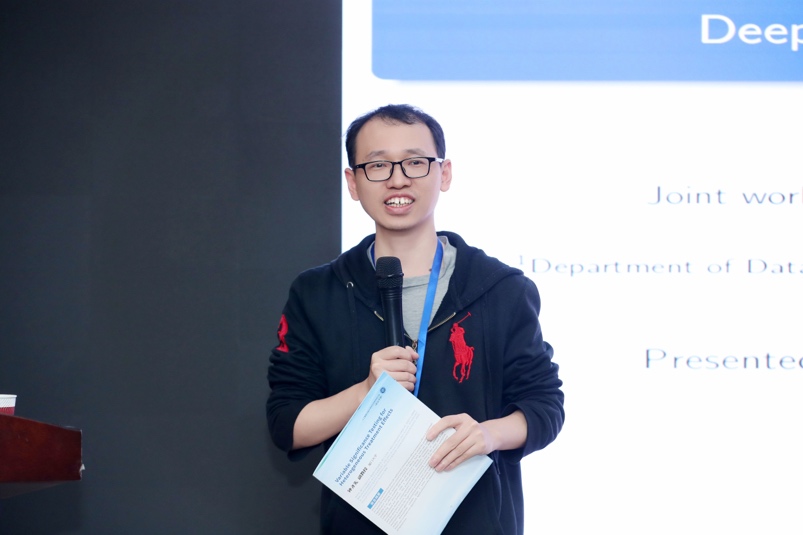
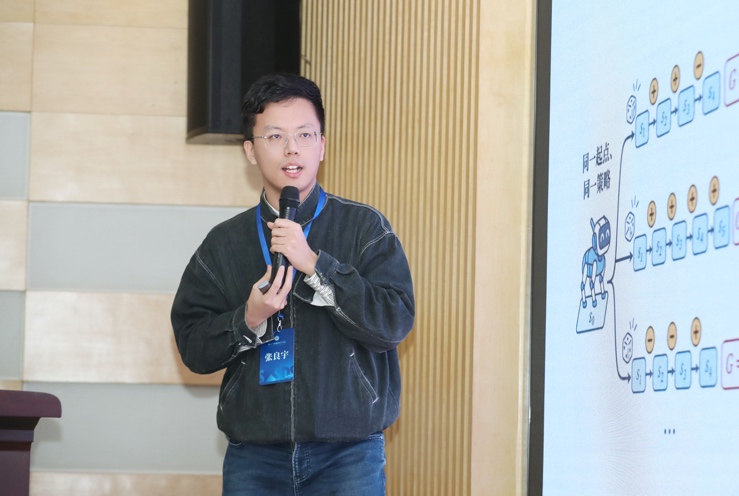
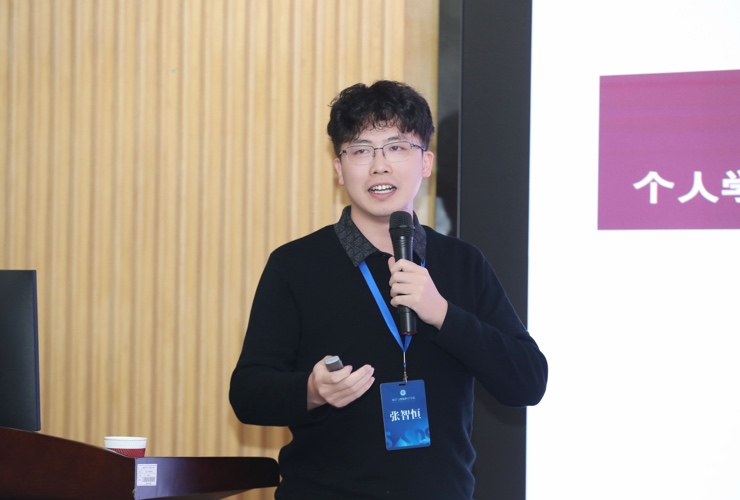
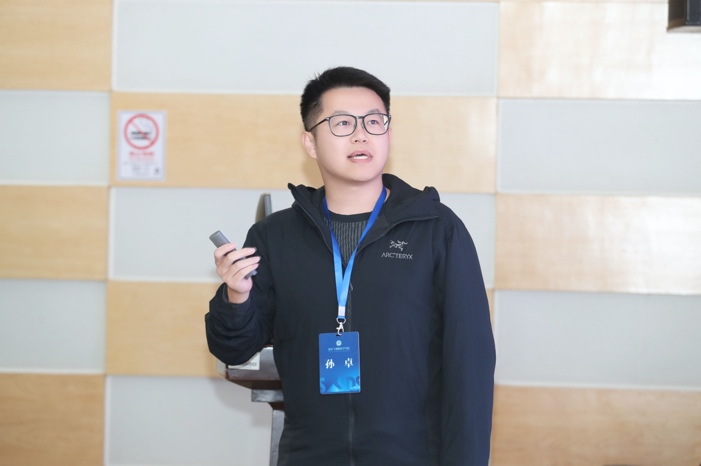
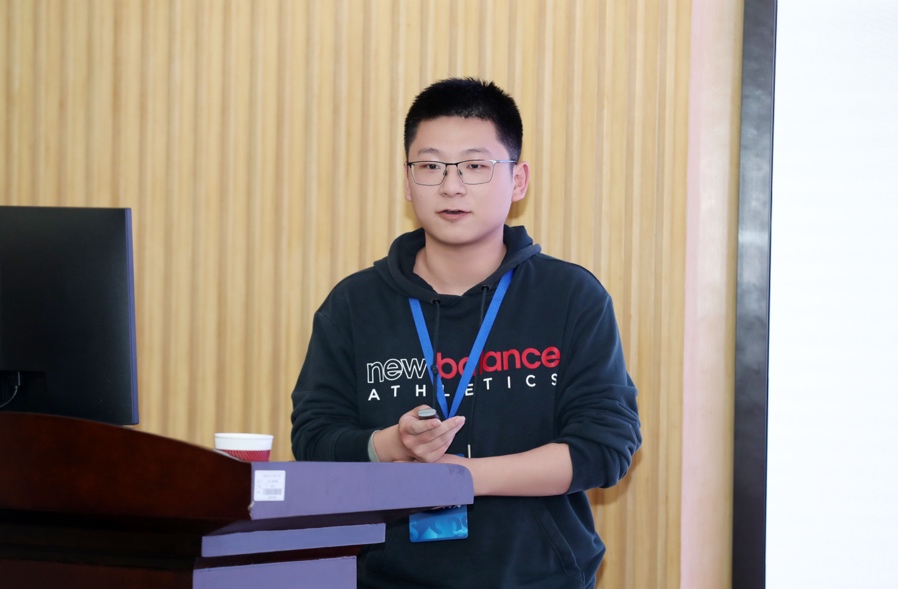
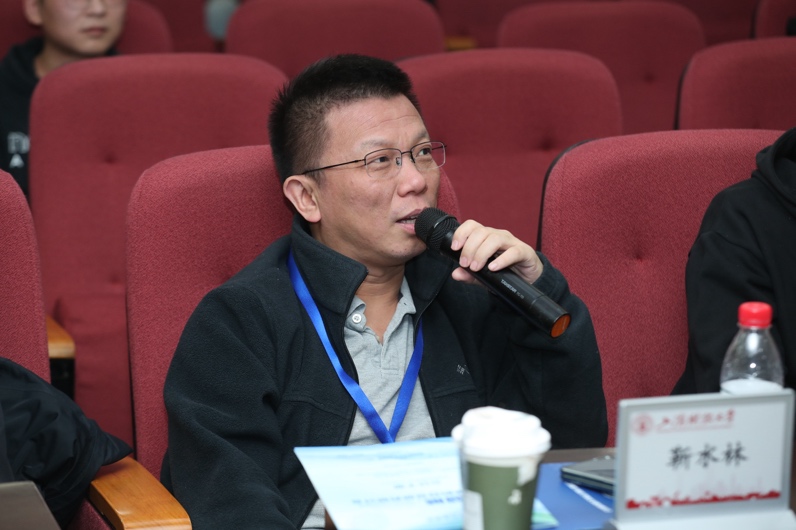
The conference also included a session for young faculty members to present their work and a free discussion session. Four young faculty members from Shanghai University of Finance and Economics—Zhang Liangyu, Zhang Zhiheng, Sun Zhuo, and Zhou Hongyi—presented their research progress. The session was chaired by Zhou Fan and provided a platform for young faculty members to showcase their research progress and engage in academic exchange. The conference then moved to a free discussion session, during which participating experts offered valuable advice on grant applications.
Focusing on the intersection of artificial intelligence methods and statistical theory, this seminar brought together exchanges on advances in inference for foundation models, complex data analysis, and heterogeneous effects. It created a platform for scholars from different research areas to exchange ideas and provided an opportunity for Shanghai University of Finance and Economics to further advance interdisciplinary research at the intersection of statistics and artificial intelligence and to promote exchanges and academic collaboration among young scholars.