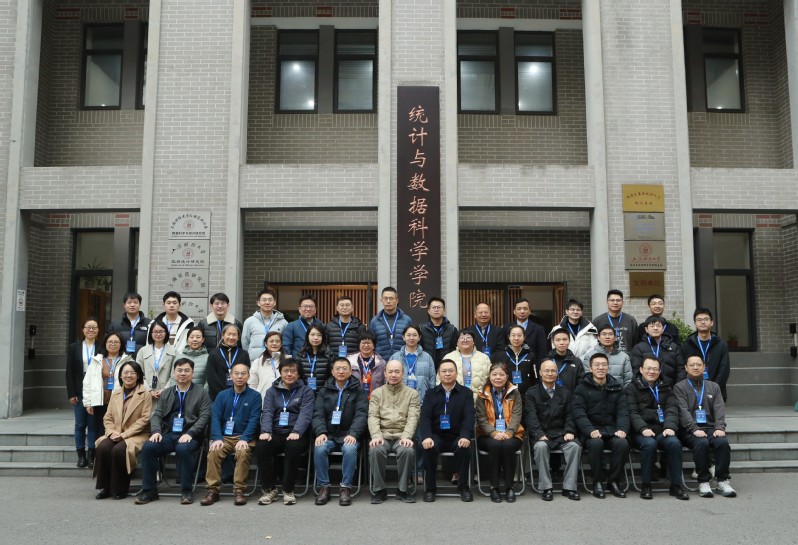
In order to better promote the development of economic statistics, econometrics, and related disciplines in the era of big data, facilitate academic exchanges and cooperation among domestic economic statistics and econometrics scholars, and explore the development and talent cultivation of economic statistics and econometrics disciplines, the School of Statistics and Data Science at Shanghai University of Finance and Economics will hold the "2025 Shanghai University of Finance and Economics New Era Economic Statistics and Econometrics Seminar" on December 13-14, 2025. Professor Chen Menggen and Professor Zhang Xun of Beijing Normal University, Professor Tu Yundong, Professor Yu Jihai and Associate Professor Song Xiaojun of Peking University, Professor Tang Xiaobin of University of International Business and Economics, Professor Wang Xiaohu and Associate Professor Fu Zhonghao of Fudan University, Professor Fang of East China Normal University, lecturer Li Wenyu of Nankai University, Professor Zhang Wei of Shandong University of Finance and Economics, researcher Zhu Pingfang of Shanghai Academy of Social Sciences, Professor Li Kunpeng of Capital University of Economics and Business, Professor Zhang Weiguo of Shenzhen University, Professor Zheng Tingguo of Xiamen University, associate professor Liu Hua of Xi'an Jiaotong University, professor Li Guodong of Hong Kong University, associate professor Hu Sang of the Chinese University of Hong Kong (Shenzhen), professor Chang Jinyuan of Southwestern University of Finance and Economics, and Chinese Academy of Sciences, Professor Wang Xia, Renmin University of China, Outstanding scholars in statistics and econometrics, including Associate Professor Tan Songhua from the University of Science and Technology of China, attended the meeting to conduct in-depth discussions.
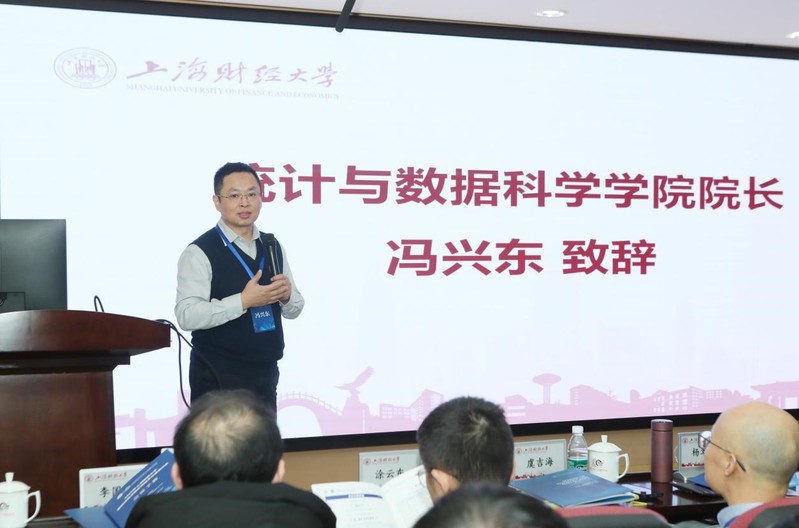
Professor Feng Xingdong, Dean of the School of Statistics and Data Science at Shanghai University of Finance and Economics, warmly welcomed all the guests and expressed sincere gratitude to all the experts for attending the conference despite their busy schedules. In his speech, President Feng pointed out that with the accelerated convergence of data elements and the continuous expansion of application scenarios, economic statistics and econometrics have ushered in new development opportunities, but also face various challenges such as method innovation, data governance, and practical implementation. He stated that this seminar will focus on cutting-edge disciplines and key issues, promote exchanges and mutual learning, and drive research innovation and achievement transformation; At the same time, we look forward to using this conference as an opportunity to further deepen academic cooperation and talent cultivation, and contribute to the high-quality development of economic statistics and econometrics in the new era.
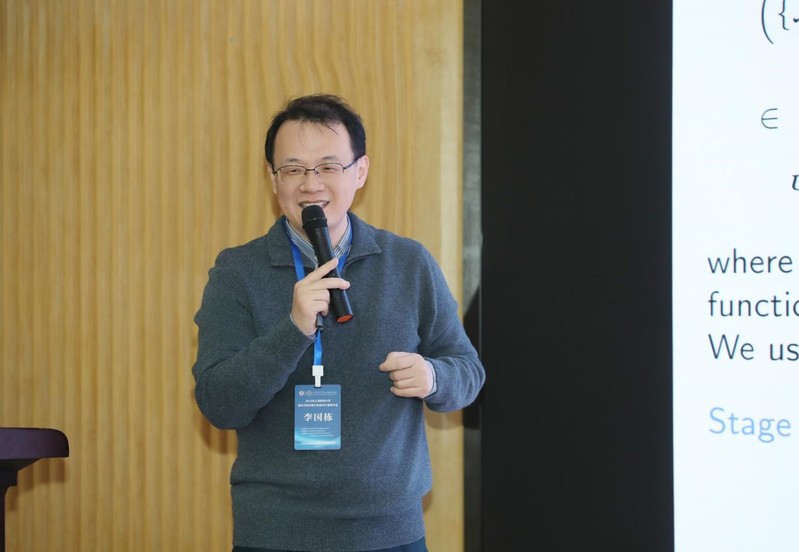
Professor Li Guodong presented an excellent report titled 'Improving Time Series Estimation and Prediction via Transfer Learning'. The report focuses on the challenges of estimating and predicting high-dimensional time series with limited sample sizes, and proposes a vector autoregression framework based on representation transfer learning. This framework utilizes rich observed source data to improve the estimation efficiency and prediction accuracy of target data through representation learning, and can flexibly integrate sequences from different starting points. The framework has been validated for its effectiveness through empirical analysis of macroeconomic data from multiple countries.
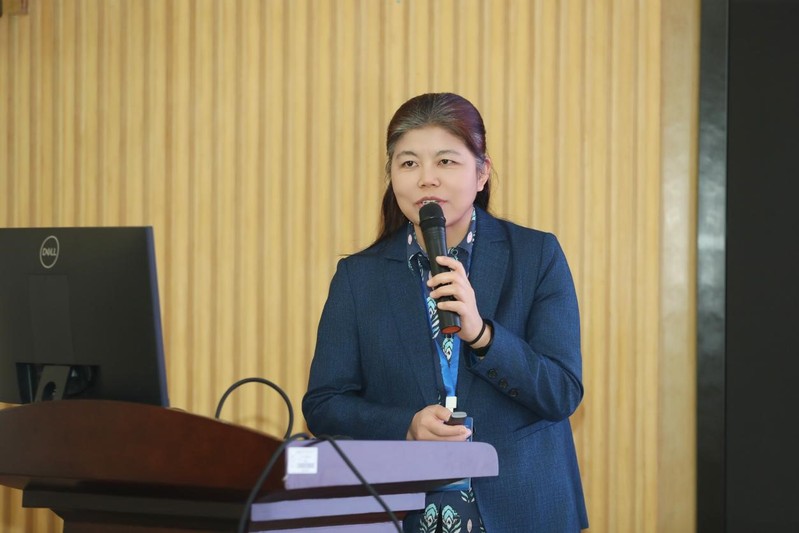
Researcher Yang Cuihong delivered a keynote report titled 'Domestic Industrial Transfer: Measurement, Trends, and Challenges'. The report points out that the game between major powers is impacting the global industrial and supply chains, and the global production network pattern is being reshaped. China is facing the pressure of two-way transfer of mid to high end industries flowing back to developed economies and mid to low end industries flowing to other developing economies. The report system introduces the measurement ideas and indicator system of industrial transfer based on input-output framework, measures domestic industrial transfer, analyzes its evolution trend and challenges and opportunities in regional transfer, in order to explore the path of key links to stay in China and promote the transfer of East, Central and West.
Researcher Zhang Xinyu delivered a keynote speech titled "Prediction powered Linear Regression: A Balance between Interpretation and Prediction". The report points out that although machine learning can quickly generate a large number of predicted labels at a lower cost and become an efficient alternative to annotation, complex models often lack interpretability. To balance interpretation and prediction, the report proposes a new prediction framework based on linear regression, which utilizes unlabeled data and machine learning generated prediction labels to improve prediction performance while maintaining the interpretable structure of the model. In response to the uncertainty caused by model selection, parameter tuning, and algorithm selection, Professor Zhang further introduced model averaging to enhance robustness and demonstrated the good performance and application prospects of the method.
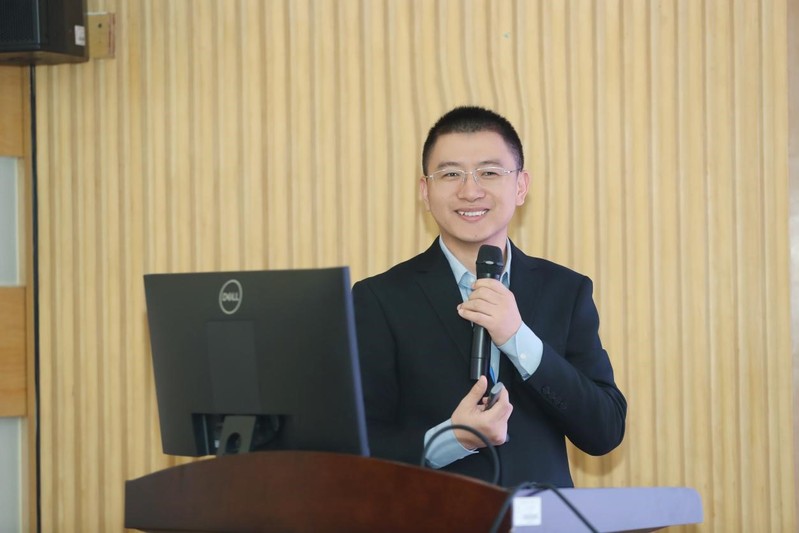
Researcher Zhu Pingfang delivered a keynote report titled "Measurement of Intergenerational Mobility: Defects and Improvements in Rank Correlation Coefficient". He pointed out that although rank correlation coefficient (RRS) is a commonly used indicator of intergenerational mobility, its weighting method lacks a "benefit poor" orientation, which may lead to measurement bias and weaken cross sample comparability and policy evaluation explanatory power. Therefore, starting from the RRS structure, the report proposes and estimates the local rank slope (LRS) that characterizes intergenerational associations at the individual level, and systematically analyzes intergenerational mobility in China based on this. The results show that the intergenerational solidification of both ends of income is obvious, especially in male offspring, rural registered residence and western regions; Meanwhile, the Gatsby curve constructed based on LRS is more sensitive than RRS and can better reveal flow patterns and heterogeneity.
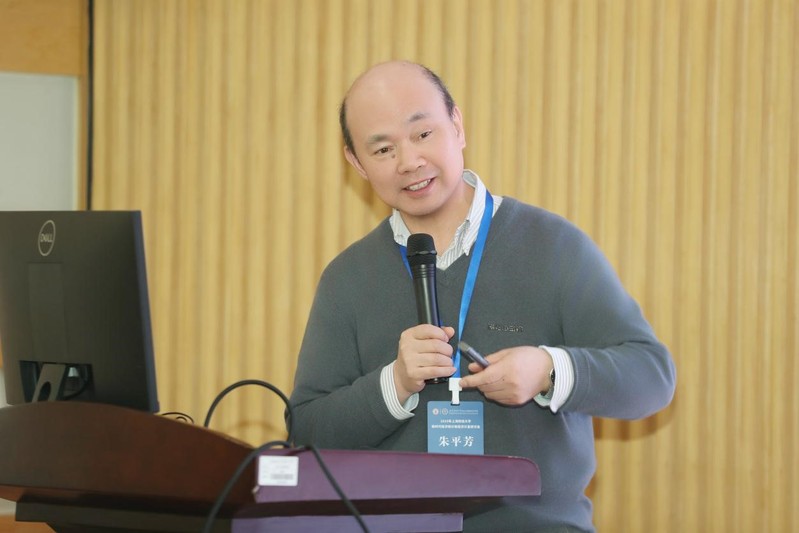
Professor Li Kunpeng delivered a keynote speech titled "On the Endogeneity of Spatial Weights Matrix". The report points out that endogeneity of spatial weight matrix in spatial econometric models is a difficult problem to identify and estimate. Professor Li proposes three extended and augmented methods based on projection method to address multi-source endogeneity. The model introduces control variables with coefficient heterogeneity and incorporates heteroscedasticity to construct pseudo maximum likelihood estimation and establish its asymptotic properties. Monte Carlo simulation verified the limited sample performance of the estimator.
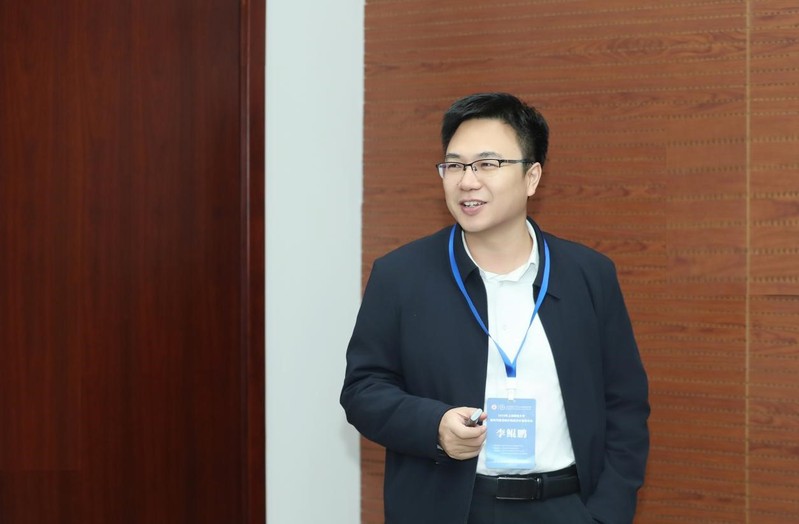
Professor Tu Yundong presented a keynote speech titled "Shattering Break Barriers: Inferential Theory for Group Factor Models Subject to Disruptive Breaks". The report proposes a four step estimation method for grouping factor models with structural mutations. By constructing a pseudo linear factor model, using contraction techniques to detect mutation points, and iteratively merging pseudo groups, the new method can consistently estimate mutation points, accurately restore the true group structure, and reliably infer factor space. Monte Carlo simulation and the application of macroeconomic data in the United States have both verified its superiority.
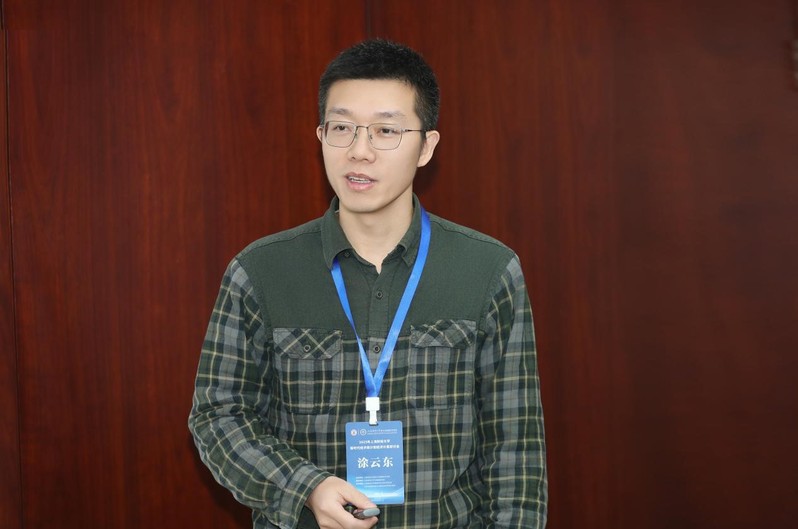
Professor Yu Jihai presented a keynote speech titled "Dyadic Spatial Dynamic Panel Data Models with Fixed Effects". The report constructs a general binary relationship spatial dynamic panel model to characterize the spatial and dynamic correlation structures of paired units such as trade and immigration, and systematically discusses the elimination and inference of multidimensional fixed effects. Propose three types of estimation methods: pseudo maximum likelihood estimation, generalized moment estimation, and re centered moment estimation, and establish theoretical properties. Evaluate the performance of a limited sample through Monte Carlo simulation and apply them to empirical analysis of network effects in international trade flows.
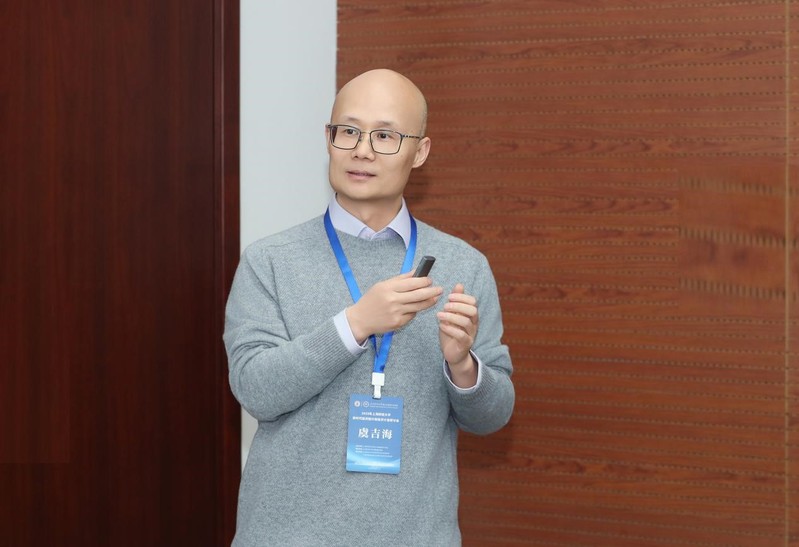
Professor Zhang Xun brings a keynote speech titled "Estimation Framework and Heterogeneity Analysis of Return on Investment in Transportation Infrastructure". The report constructs a large-scale spatial general equilibrium model considering the flow of goods and labor at the urban level, estimates the return on investment of highway infrastructure, reveals the internal mechanism causing the current resource imbalance, and explores the mechanism of the optimal path for future highway investment in China from the perspective of industrial structure.
The report of the Shanghai University of Finance and Economics Seminar on New Era Economic Statistics and Econometrics was successfully concluded at 12:00 on the 13th and 12:00 on the 14th, respectively.
On the afternoon of the 13th, during the conference, Associate Researcher Sun Yuying first presented a report titled "Optimal Parameter Transfer Learning by Time Varying Model Averaging". The report proposes a time-varying model average optimal parameter transfer learning method to address the problem of out of sample prediction due to changes in economic and financial data structure and limited target samples. This method can adaptively transfer and share parameters to improve prediction performance. She also proposed the conformal prediction interval algorithm, which does not require commutativity assumptions and is asymptotically effective, outperforming existing methods in both prediction accuracy and interval prediction.
Associate Professor Song Xiaojun delivered a keynote speech titled "Uniform Inference for Parameters Identified by Conditional Quantile Restrictions". The report focuses on the problem of parameter function inference under conditional quantile constraints, proposing quantile oriented penalty Bierens maximum statistic and multiplier self-help method to achieve effective inference. This method does not require pre estimation and is accompanied by data-driven penalty parameter selection rules, making it straightforward, concise, and robust. In addition, the new testing method is more effective than existing methods while maintaining the testing level.
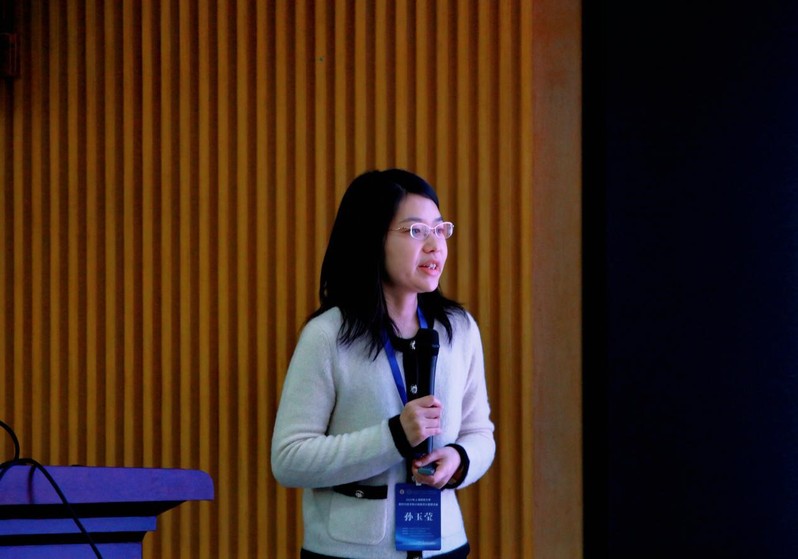
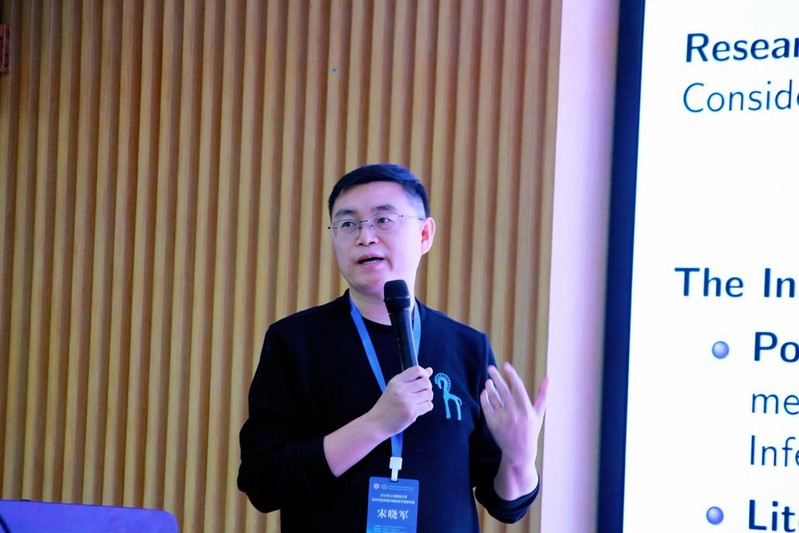
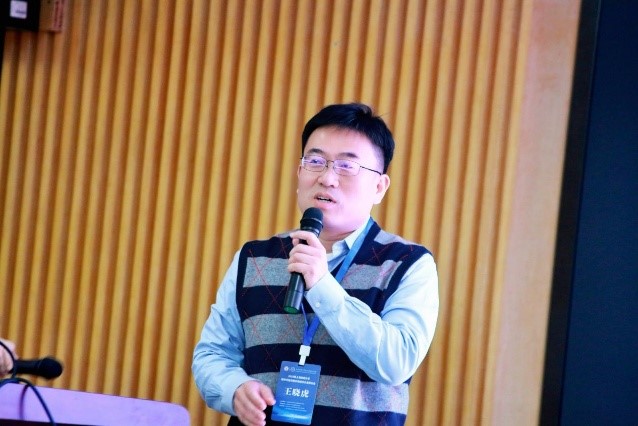
Professor Wang Xiaohu delivered a keynote speech titled "Maximum Likelihood Estimation of Fractional Ornstein Uhlenbeck Process with Discrete Sampled Data". The report derives the analytical formula for the autocorrelation of the discrete sampling fOU process, evaluates the likelihood approximation accuracy of the Whittle method, and provides the optimal prediction formula. Professor Wang proposed an accurate ML estimation method and established asymptotic theory for easy inference. Simulate and verify that its parameter estimation and prediction are superior to existing methods, and empirically fit daily volatility and trading volume. ML combined with the optimal prediction formula performs outstandingly.
Professor Zhang Wei shared the report "Research on the synergistic effect of diversified income and financial support policies on boosting residents' consumption - based on the DCGE model analysis of residents' heterogeneity". The report is based on the life cycle theory and general equilibrium theory framework, constructing an improved DCGE model that includes loan demand and resident heterogeneity, and evaluating marginal and synergistic effects. Research has found that the marginal effects of policies vary from policy to policy and from group to group, and there is significant heterogeneity in the synergistic effects of policy combinations. The utility of each policy in upgrading consumption structure varies significantly, providing a basis for precise policy implementation.
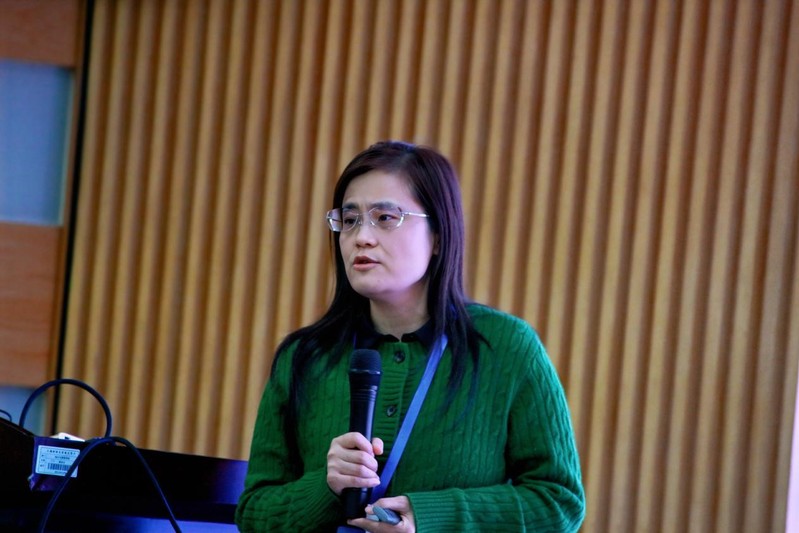
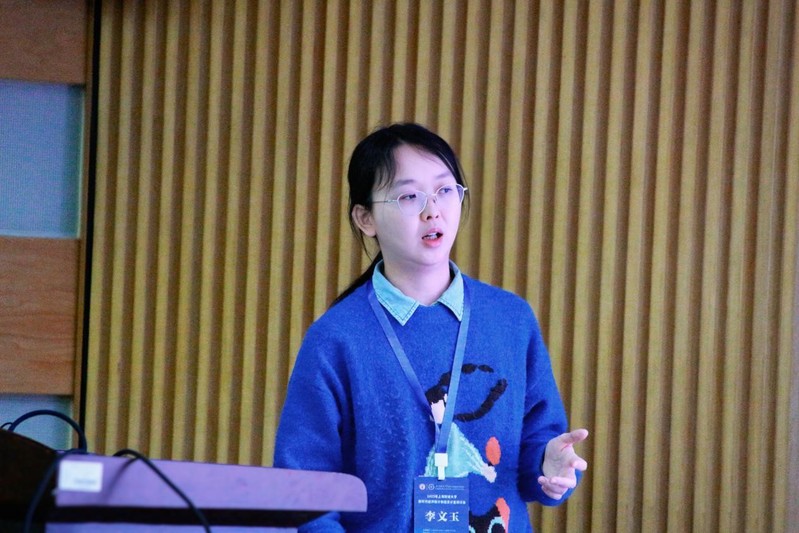
Lecturer Li Wenyu shared a report titled "Panel Quantile GARCH Models under Homogeneity". The report proposes a panel quantile GARCH model with coefficient function homogeneous structure to characterize the risk clustering phenomenon of financial panel data, and constructs a three-stage estimation method to improve the estimation and prediction of conditional quantiles through the sharing of coefficient functions within the group. The new method can be used for cluster analysis of asset risk, and its performance in predicting tail risk value is better than similar models.
Associate Professor Liu Hua presented a keynote speech titled "Detection and Identification of Dual Heterogeneous Trends and Periodic Patterns within Panel Data". The report proposes a new semi parametric panel quantile model that can jointly identify unknown cycle lengths, grouping cycle components, and trend functions, revealing panel data heterogeneity. She constructed a new estimation method and established its theoretical properties. Simulation and empirical studies have shown that the new method can capture the dynamic characteristics and heterogeneity of panel data.
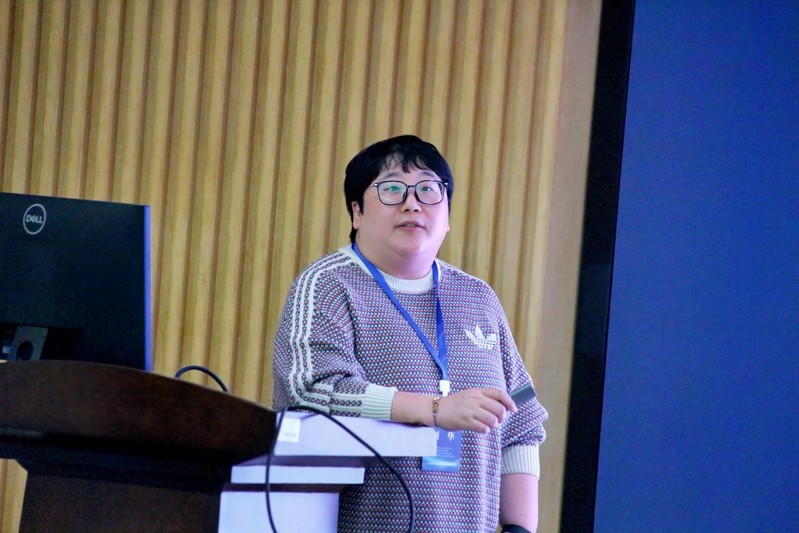
Professor Tang Xiaobin delivered a keynote speech titled "Characteristics of China's Economic Risk Evolution and Policy Implications". The report focuses on the economic development process of more than 40 years of reform and opening up, pointing out that the Chinese economy has continuously reformed and reshaped through multiple rounds of external shocks and internal adjustments, gradually forming a unique economic resilience. Based on the phased evolution of risks, Professor Tang has sorted out the trajectory of changes in major risk challenges, summarized the experience and practices of responding to risks and promoting transformation, and proposed policy implications and governance suggestions for high-quality development.
Assistant Researcher Yang Zixin presented a keynote report titled "Quantile Treatment Effects under Network Interference". The report focuses on the identification and inference of quantile processing effects under network intervention, proposing two types of estimation methods: non parametric conditional QTE estimation based on degree stratification and linear quantile regression estimation, and establishing corresponding statistical properties for each. The application of the new method in the evaluation of the effects of the one-time agricultural subsidy project by the Mozambican government revealed the distribution heterogeneity of direct effects and network spillover effects.
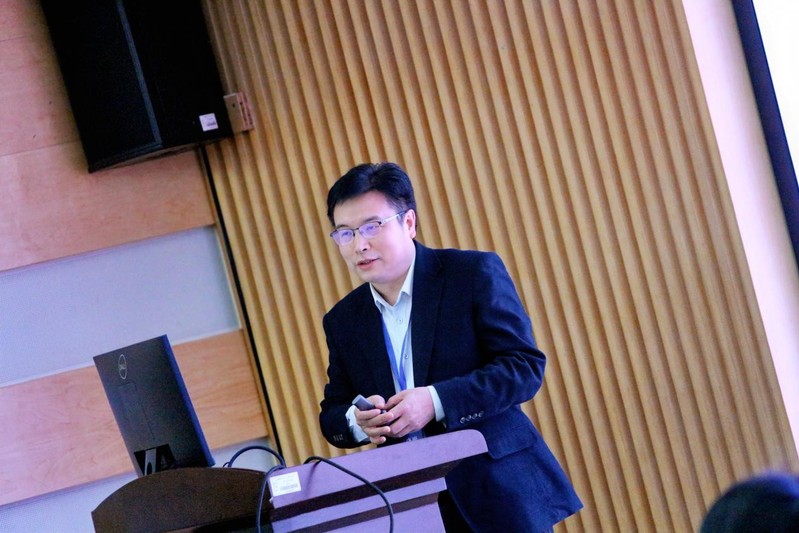
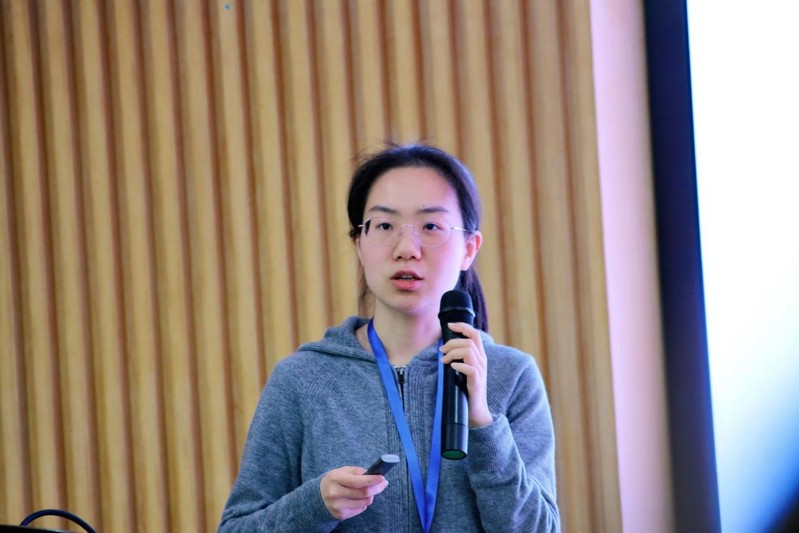
The expert consultation meeting on the afternoon of the 13th and 14th was chaired by Professor You Jinhong from Shanghai University of Finance and Economics, focusing on three major topics: the development of economic statistics and econometrics disciplines, talent cultivation, and project application. Fourteen well-known professors and researchers from multiple universities and research institutes, including Beijing Normal University, Peking University, and Xiamen University, were invited to attend and provide guidance. Firstly, Professor Feng Xingdong, Dean of the School of Statistics and Data Science at Shanghai University of Finance and Economics, delivered a speech introducing the theme of this consultation meeting. Secondly, Associate Professor Zhu Qianqian from the School of Statistics and Data Science at Shanghai University of Finance and Economics introduced the overview of the Department of Economic Statistics, and invited experts provided guidance on the development and talent cultivation of the disciplines of economic statistics and econometrics. Finally, the four young teachers reported their work one by one, and experts provided professional advice on their career development and project application. This conference provides important guidance for the optimization of college disciplines, the training of young teachers, and the application for scientific research projects, helping to promote the high-quality development of related disciplines.
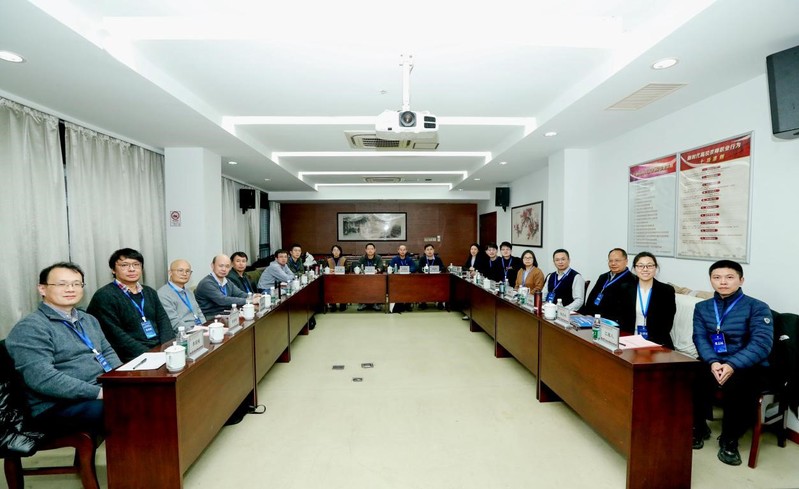
This seminar brings together experts and scholars in the field to explore cutting-edge academic issues and practical application challenges. Through sharing reports and exchanging questions, the attending experts and scholars collide and spark ideas, providing strong support for promoting the innovative development of economic statistics and econometrics. The successful hosting of this conference not only strengthens the connections and cooperation between academia, but also contributes to the innovative development of discipline construction and talent cultivation in the new era.
Contribution | Zhu Qianqian, Chen Kejun (Student)
Image provided | Duan Haijiao
Editor in Chief | Feng Xingdong