---The Practice and Application of Statistics and Machine Learning in Shared Mobility Platforms
On the afternoon of April 14, 2020, our institution was honored to invite Mr. Luo Shikai, an expert researcher at Didi AI Labs, to give a lecture on the topic of "Practice and Application of Statistics and Machine Learning in Shared Travel Platforms" for our Master's degree in Applied Statistics. Mr. Luo Shikai obtained a Ph.D. in Statistics from North Carolina State University, mainly researching functional data, precision medicine, and machine learning. After graduation, he worked for two years at Quantlab, a high-frequency trading company, developing high, medium, and low-frequency trading strategies for stocks and futures. In 2018, he returned to China and joined Beijing Didi Chuxing AI Labs, engaged in research and application of statistics and machine learning in the bilateral trading market.
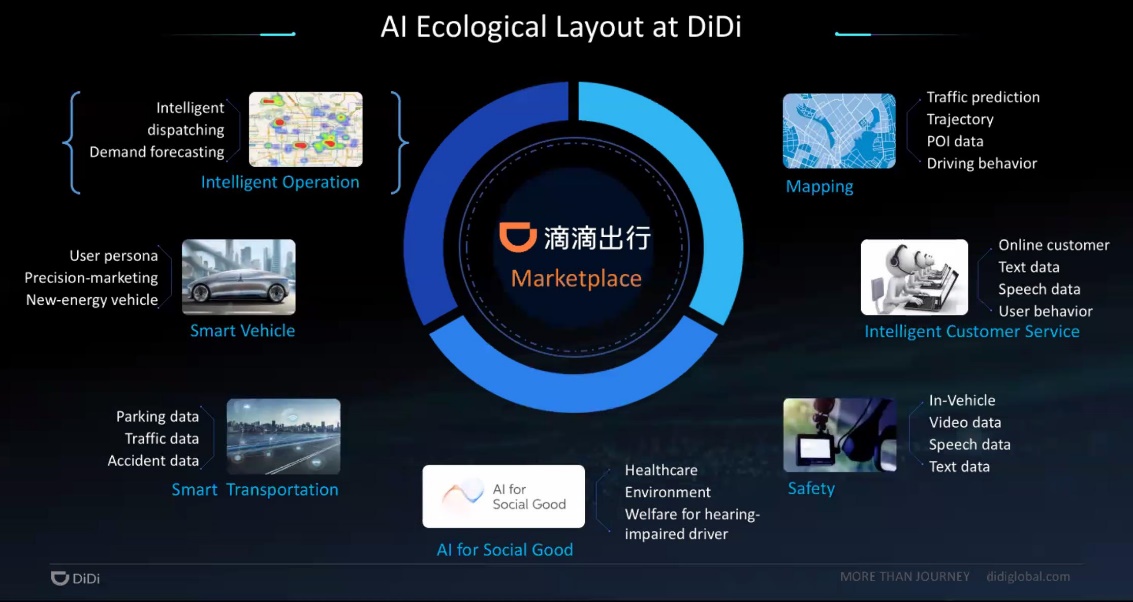
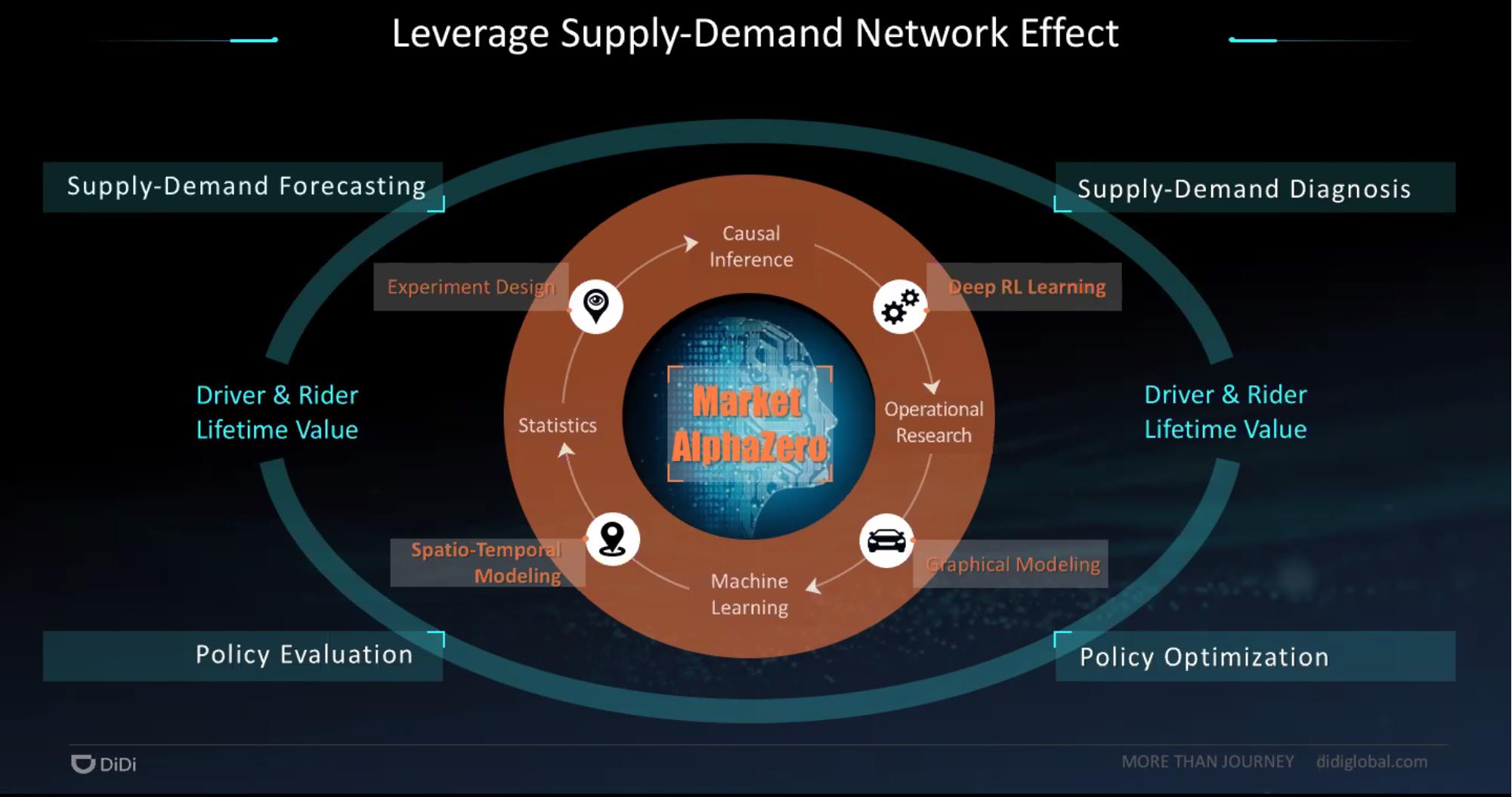
Mr. Luo Shikai first introduced Didi's artificial intelligence ecological layout. Didi strives to achieve intelligent transportation, predict traffic conditions, etc. by using artificial intelligence and various traffic data. At the same time, he introduced a unique supply and demand network effect and used machine learning to achieve strategy evaluation and improvement, thereby improving Didi's service quality. This not only facilitates drivers and users, but also enhances the platform's scheduling and planning capabilities.
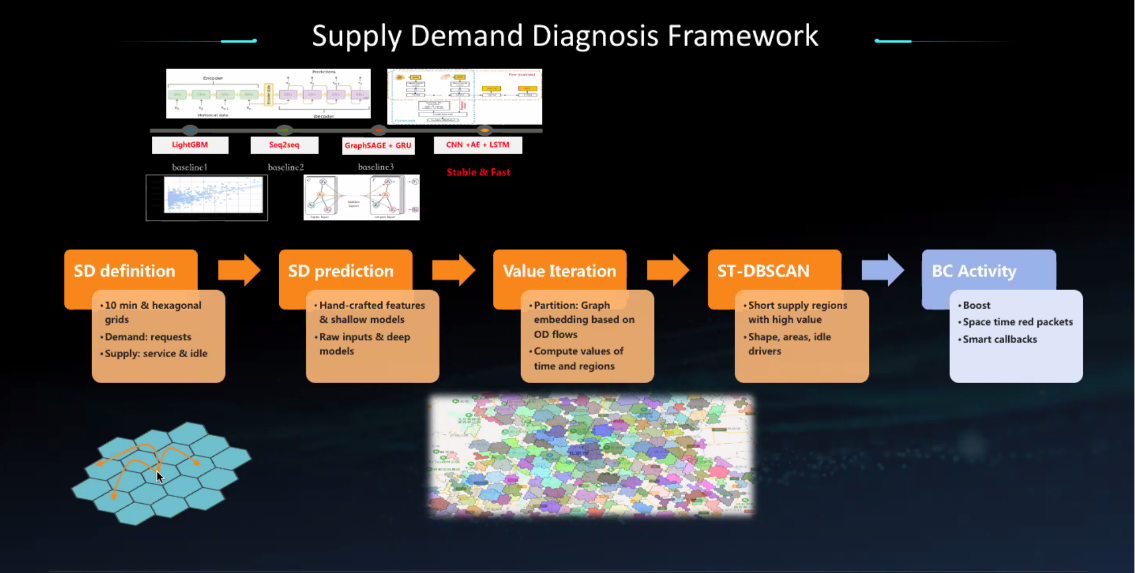
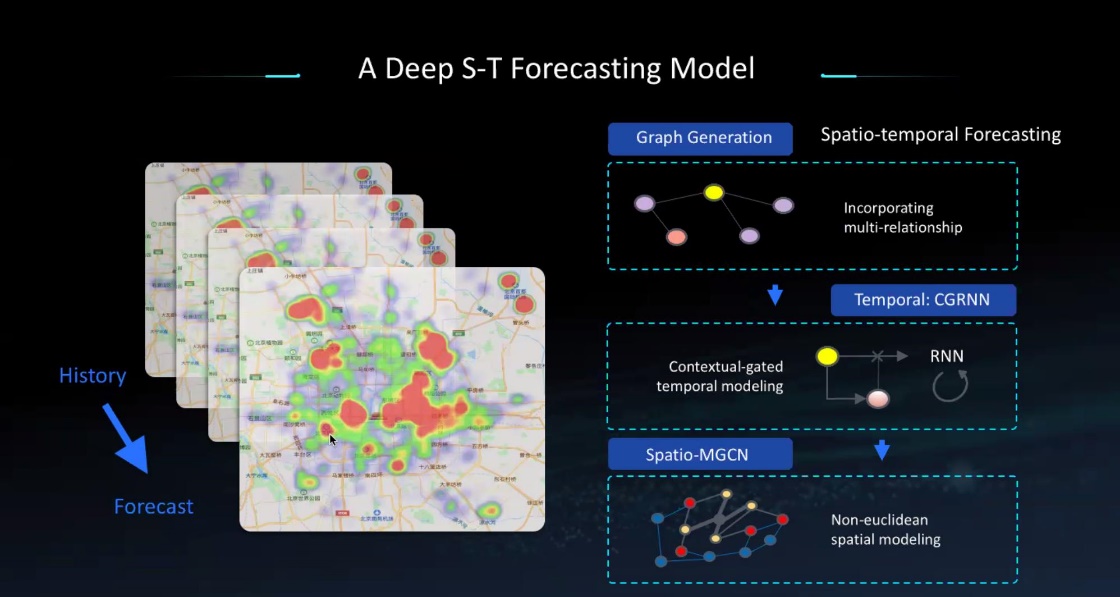
Next, Mr. Luo will explain to his classmates how to build the Supply Demand Diagnosis Framework. Starting from the definition of supply and demand, to how to predict supply and demand; From algorithms such as LightGBM, CNN+AE+LSTM, to methods such as A/B Testing required for business level strategy evaluation, Mr. Luo introduced us to the use of supply and demand diagnostic networks, and the main challenge they face is the problem of local overflow, that is, in some areas where customer demand is high but there are not enough drivers, and in some areas where customer demand is low but there are many drivers, there will be an imbalance between supply and demand. How to solve this problem is also a global bottleneck; Other key indicators have undergone significant changes, which has added difficulty to the platform's strategic evaluation. Subsequently, Mr. Luo introduced several possible solutions.
Finally, Mr. Luo will use three examples to specifically explain several algorithms behind the supply and demand diagnosis network on the Didi platform. This includes rich knowledge of statistics and machine learning, as well as a certain level of business thinking.
During the questioning session, many students actively asked Mr. Luo Shikai questions, and Mr. Luo patiently answered them. A classmate asked how Didi platform controls risks for users or drivers. Mr. Luo replied that monitoring drivers mainly involves recording videos and audio in the car, and passengers can protect themselves through the app's one click alarm function. In addition, there were questions about Mr. Luo's personal experience, such as why he chose Didi for the research and development of shared platform travel after conducting quantitative investment research. Mr. Luo provided detailed answers.
This lecture focuses on the application of statistics and machine learning in the operation of bilateral trading markets, mainly introducing the attempts, explorations, and reflections of Didi AI Labs in the direction of operation. The students have gained a lot and have gained more knowledge and understanding of the shared travel platform.
Author: Li Huimin
Image provided by: Zhang You