---AI big data empowers manufacturing sites
On November 24, 2020, Dr. Wang Honggang, CTO of Shanghai Cuitu Digital Technology Co., Ltd., was invited to our institute to give a lecture on the theme of "AI Big Data Empowering Manufacturing Industry" at an industry forum. Dr. Wang Honggang has served as an algorithm expert, senior design thinking coach, and agile coach at SAP China Research Institute. With over 10 years of experience in enterprise information product research and project management, I have accumulated rich project experience and customer cases in the fields of information technology, digital transformation, and AI big data in manufacturing, healthcare, education, and retail industries. In this forum, Dr. Wang Honggang introduced the development process of big data, focusing on the empowerment of big data to the manufacturing industry, and also analyzed the main challenges faced by big data in empowering the manufacturing industry. Looking ahead to the future of digital transformation in the manufacturing industry, the key points of digitalization in traditional industries were analyzed.
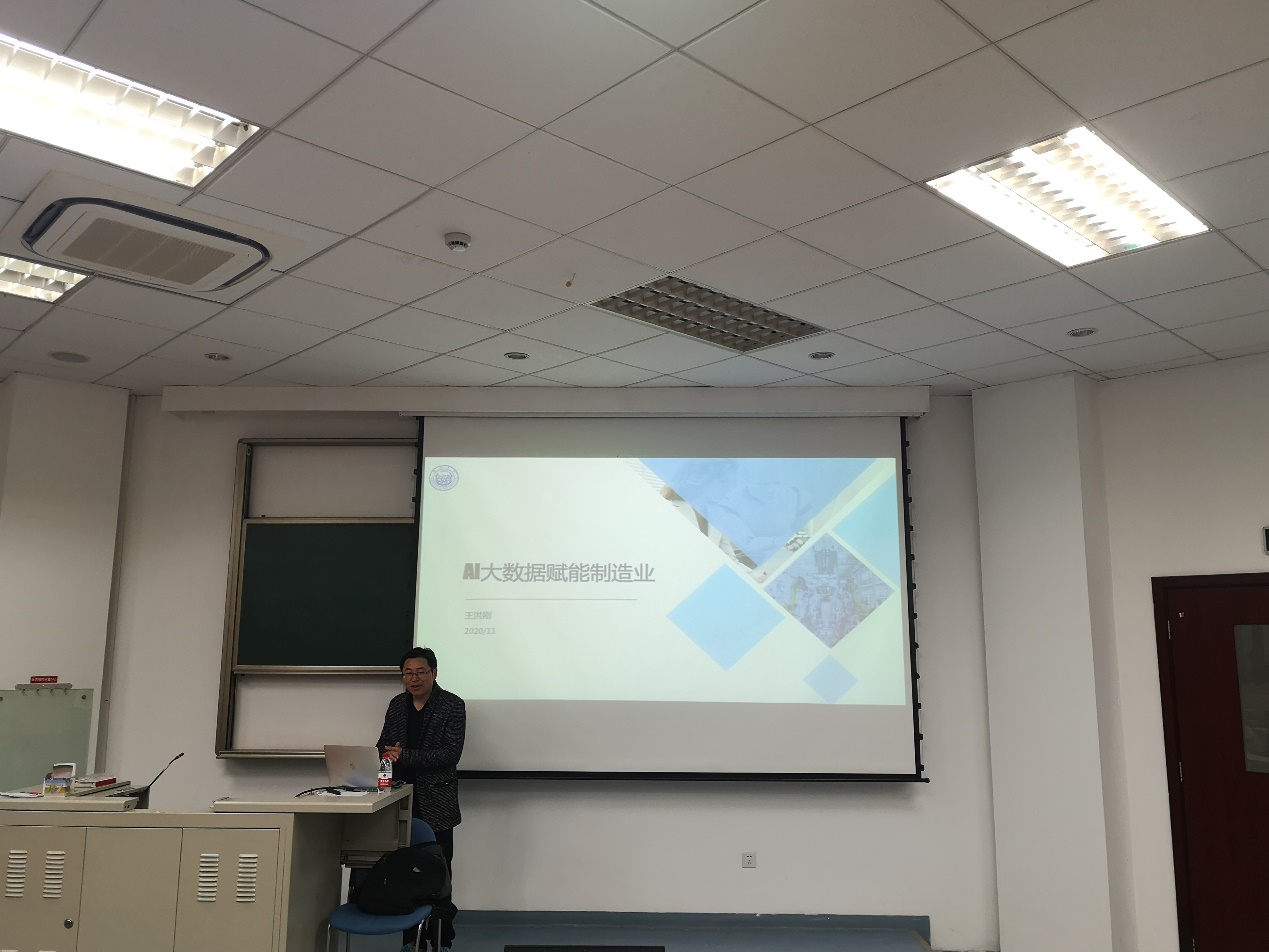
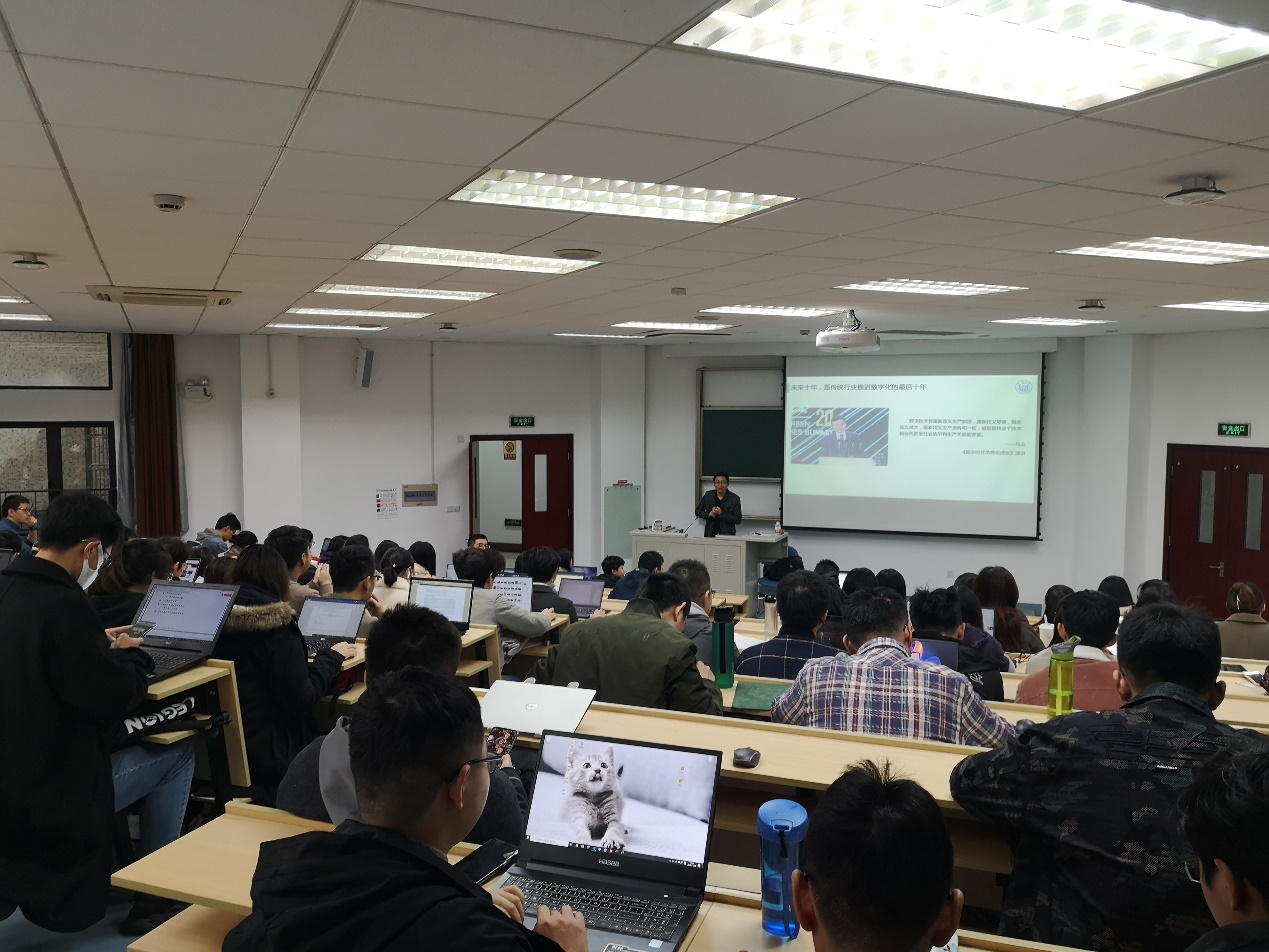
Firstly, Dr. Wang Honggang quoted a sentence from Jack Ma's speech on "Business Growth in the Digital Age": "The next decade will be the last decade for traditional industries to promote digitization: digital technology will redefine production and manufacturing, retail, technology, means of production, and everything else. Even soon, this technology will trigger a revolution in all production relations in society." Dr. Wang Honggang mentioned the current misunderstanding of the manufacturing industry in society: many people believe that manufacturing is a "low-end" job with low salaries and no future prospects, but in this era of AI big data empowering manufacturing, this industry is full of opportunities.
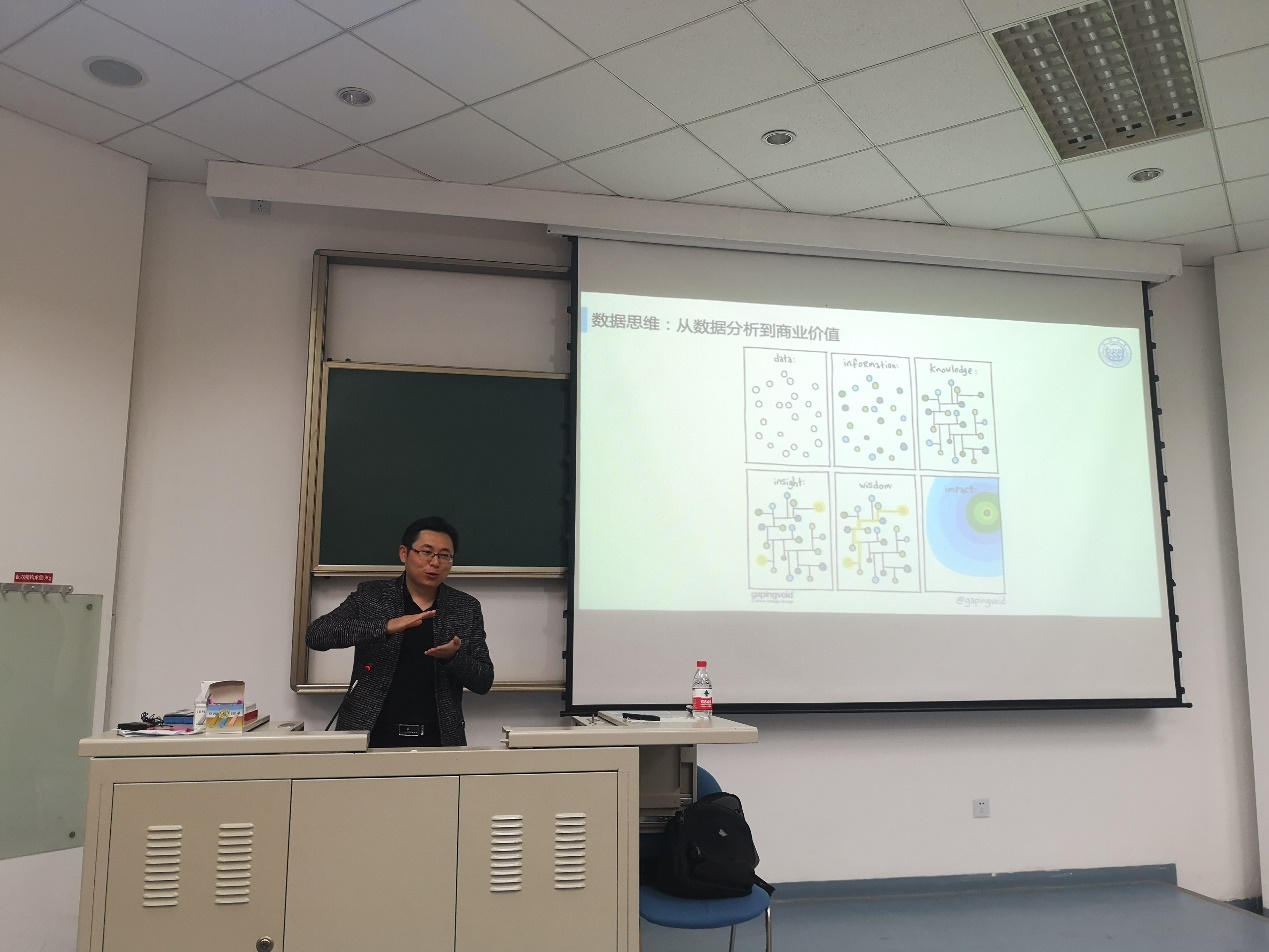
Subsequently, Dr. Wang Honggang provided a brief introduction to the definitions and impacts of artificial intelligence and big data, stating that productivity is undergoing a transformation and digital productivity is on the rise. He mentioned that the value of big data in the manufacturing industry can be divided into four aspects: firstly, what has happened; 2、 Why did it happen; 3、 What could happen; 4、 What should be done? These four steps constitute the path from the cornerstone of business intelligence to the cornerstone of big data, and thus to the future development of artificial intelligence. Dr. Wang Honggang introduced to us the division of research fields in artificial intelligence, which includes symbolic intelligence, computational intelligence, machine learning, and machine perception. These fields each contain multiple contents, indicating that artificial intelligence is a systematic knowledge body rather than a simple concept as we may think. Artificial intelligence includes five layers of research: firstly, infrastructure, which refers to hardware computing power; 2、 Algorithms, full of machine learning and deep learning; 3、 The technical direction encompasses computer vision, language engineering, natural language processing, and more; 4、 Specific technology, this is a further expansion of the technological direction; 5、 Industry solutions, including specific fields such as finance, healthcare, security, transportation, gaming, etc.
Then, Dr. Wang Honggang described in detail the combined effect of manufacturing and artificial intelligence big data. At present, there is an industrial dilemma internationally: developed countries have experienced industrial hollowing out, resulting in profits but losing employment, and a large trade deficit; Developing countries have experienced industrial undervaluation, earning income and employment while losing profits and the environment. The development of information technology has provided possibilities for improving efficiency in various industries. Various countries have introduced policies to strive for value in the new industrial revolution: the United States' "High Value Creation" and artificial intelligence development plan, Germany's "Industry 4.0", China's "Creation 2025" and new generation artificial intelligence plan... Intelligent manufacturing applies traditional industrial software to the manufacturing industry, emphasizing the automation function of machines through digitization and automation. Artificial Intelligence+Manufacturing applies artificial intelligence technology to the manufacturing industry, achieving autonomy on the basis of digitization and networking. The core lies in whether machines can automatically feedback and adjust. Afterwards, Dr. Wang Honggang told us six cases of the combination of artificial intelligence and manufacturing: research and development design, significantly reducing uncertainty costs; Production and manufacturing, flexible production to meet individual needs; Quality control, rapid quality inspection and ensuring quality; Supply management, accurately grasping changes in supply and demand to provide efficiency; Operation and maintenance, advance prediction and resolution of failure risks, and industrial quality inspection.
Finally, Dr. Wang Honggang discussed the four main challenges faced by artificial intelligence manufacturing: firstly, there is a technological gap and a lack of key independent technologies domestically; 2、 Standards are difficult to implement, and multiple manufacturers' software and hardware are incompatible; 3、 The management model is outdated, and enterprise management still relies mainly on pyramid, multi-level, and subdivision; 4、 The capital investment is low, and the return on investment in the manufacturing industry is relatively low compared to other high-tech fields. Four perspectives on the impact of artificial intelligence on the manufacturing industry: firstly, improving production efficiency; 2、 Changing the job market; 3、 Optimize industrial structure; 4、 Refactoring international division of labor.
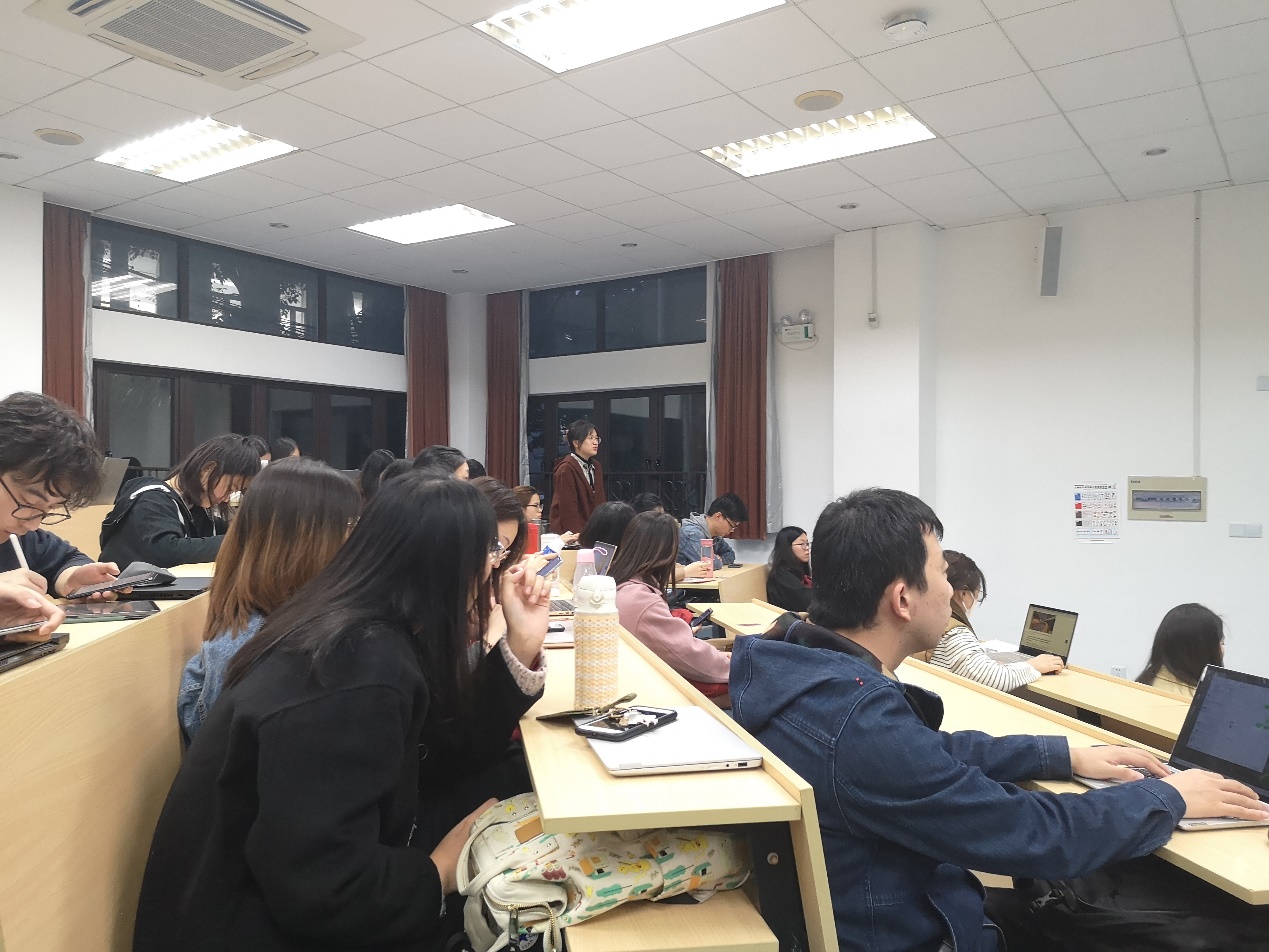
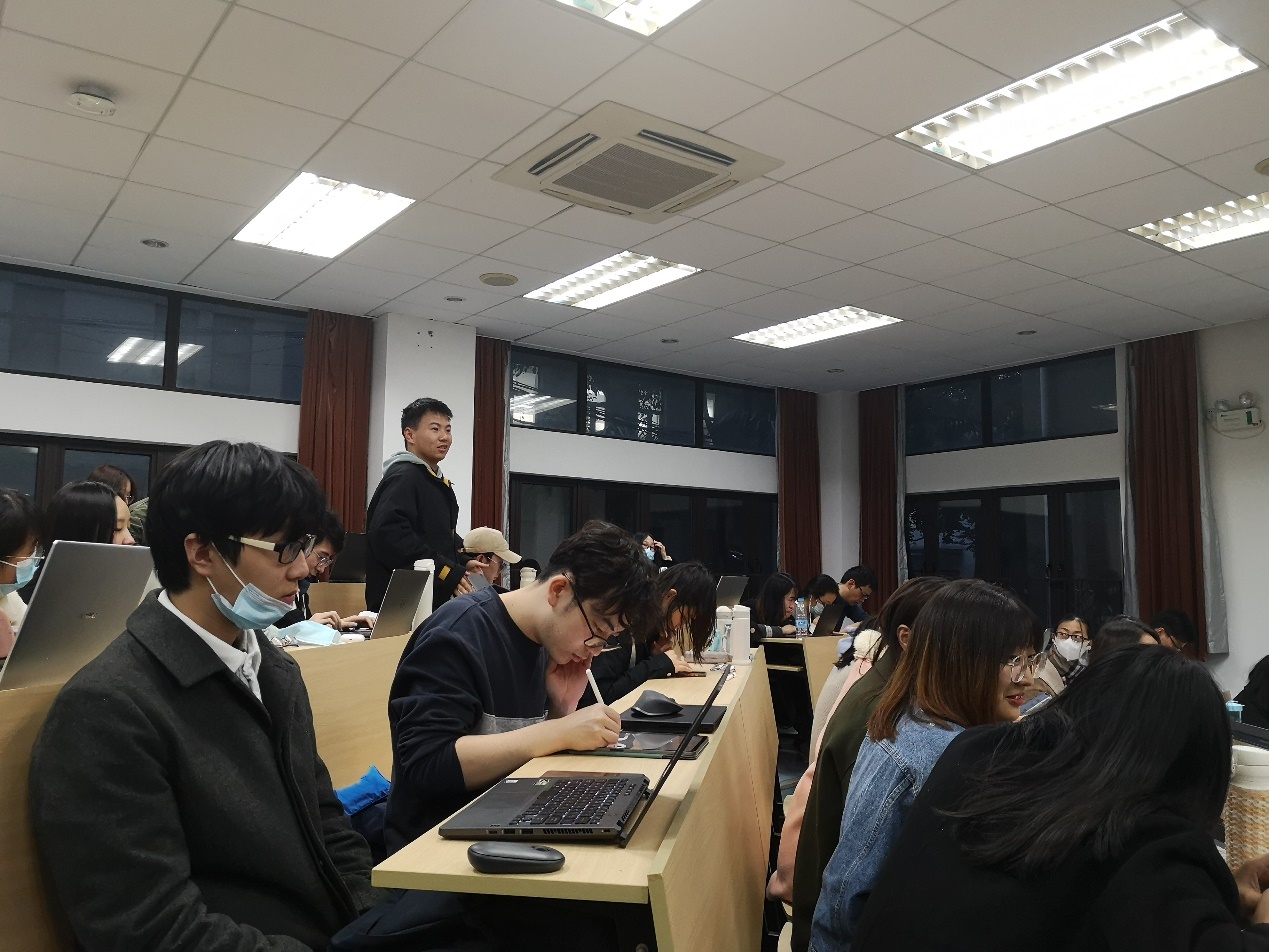
After a wonderful speech, we entered the Q&A session where students enthusiastically raised their hands to ask questions. Regarding the application of blockchain in companies, Dr. Wang Honggang believes that there is still no clear answer at the macro level, and it is still being piloted and explored. Only after establishing a sound national integrity system and security mechanism can it be widely used. Dr. Wang Honggang also gave his own opinion on the differences and advantages between statistics and computer science. He believes that students can try to work in data analysis, product management, and other fields to better integrate business and theory.
Contributors: Jia Xuan, Zhang Yuting, Ma Zhiwu
Image provided by: Yang Sizhe